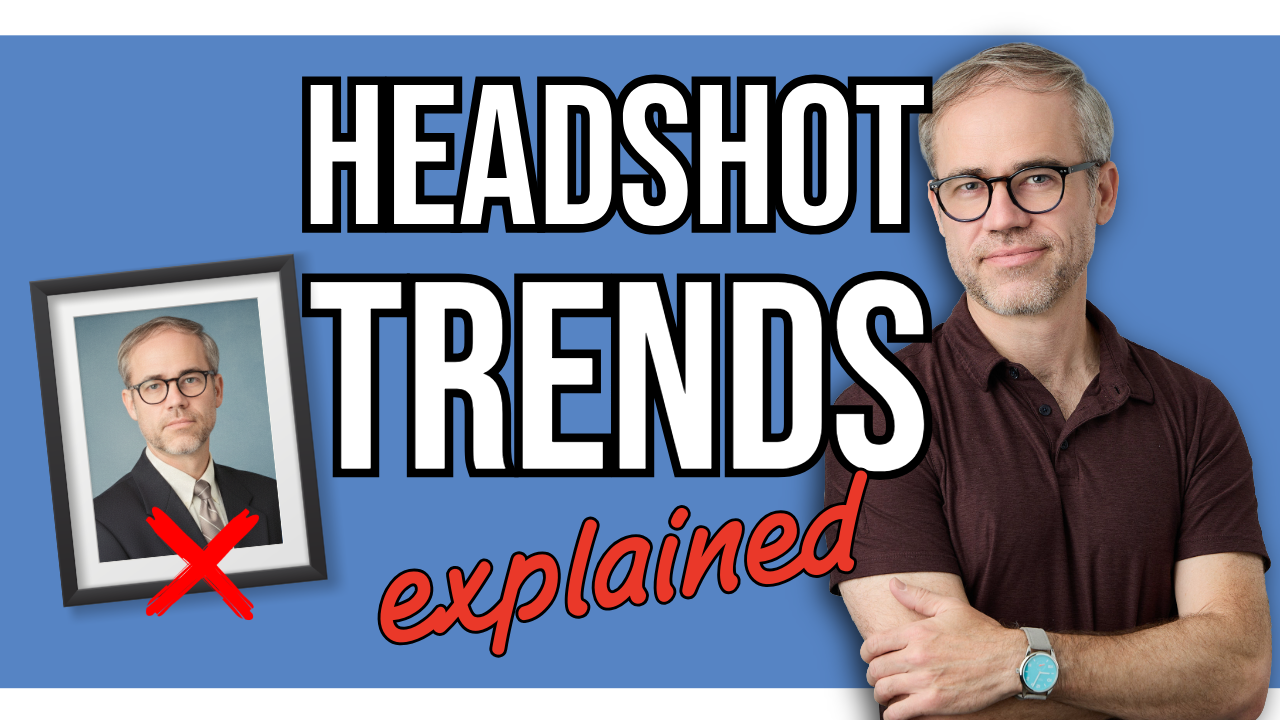
Modern Headshot Style Trends for 2026 and Beyond
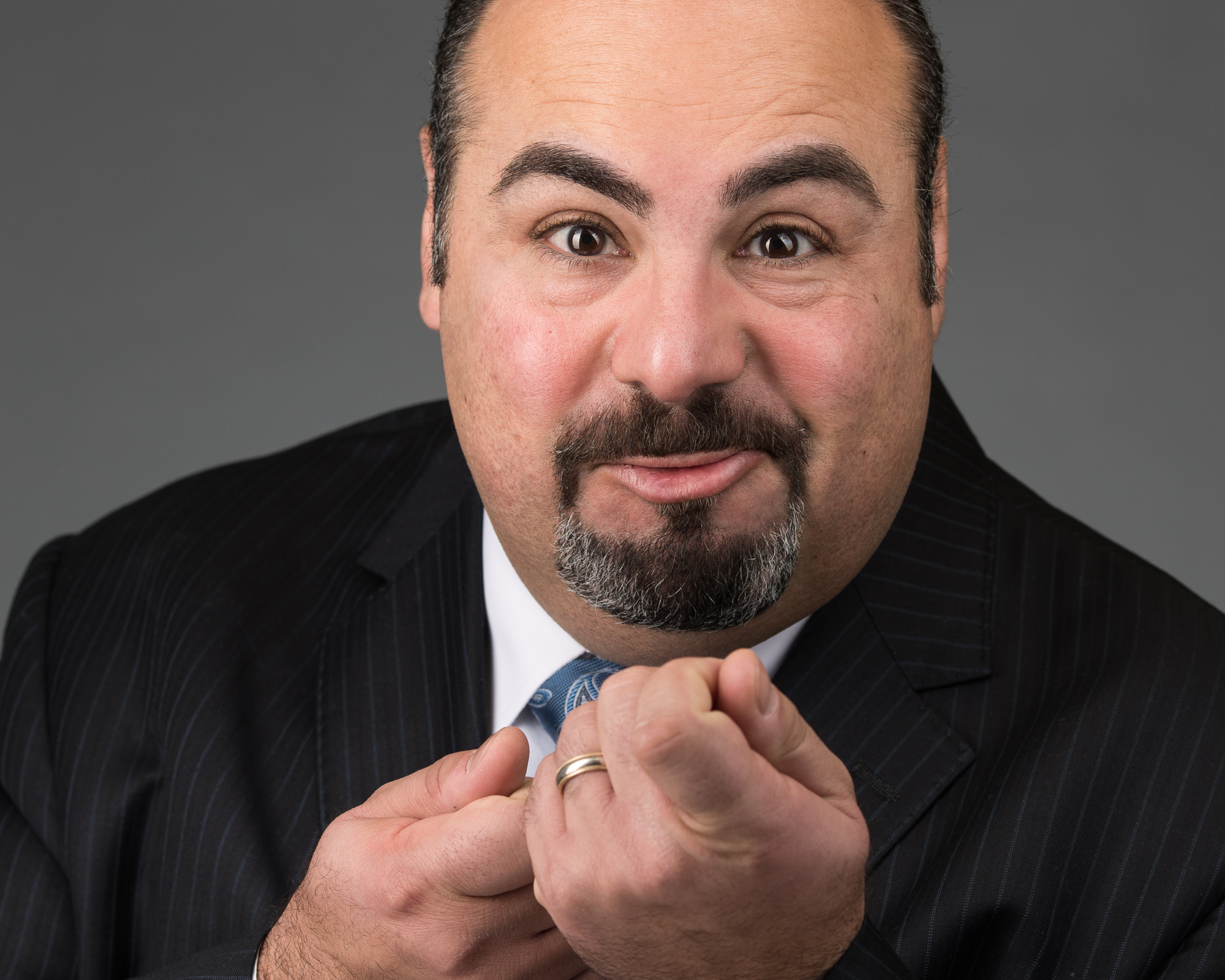
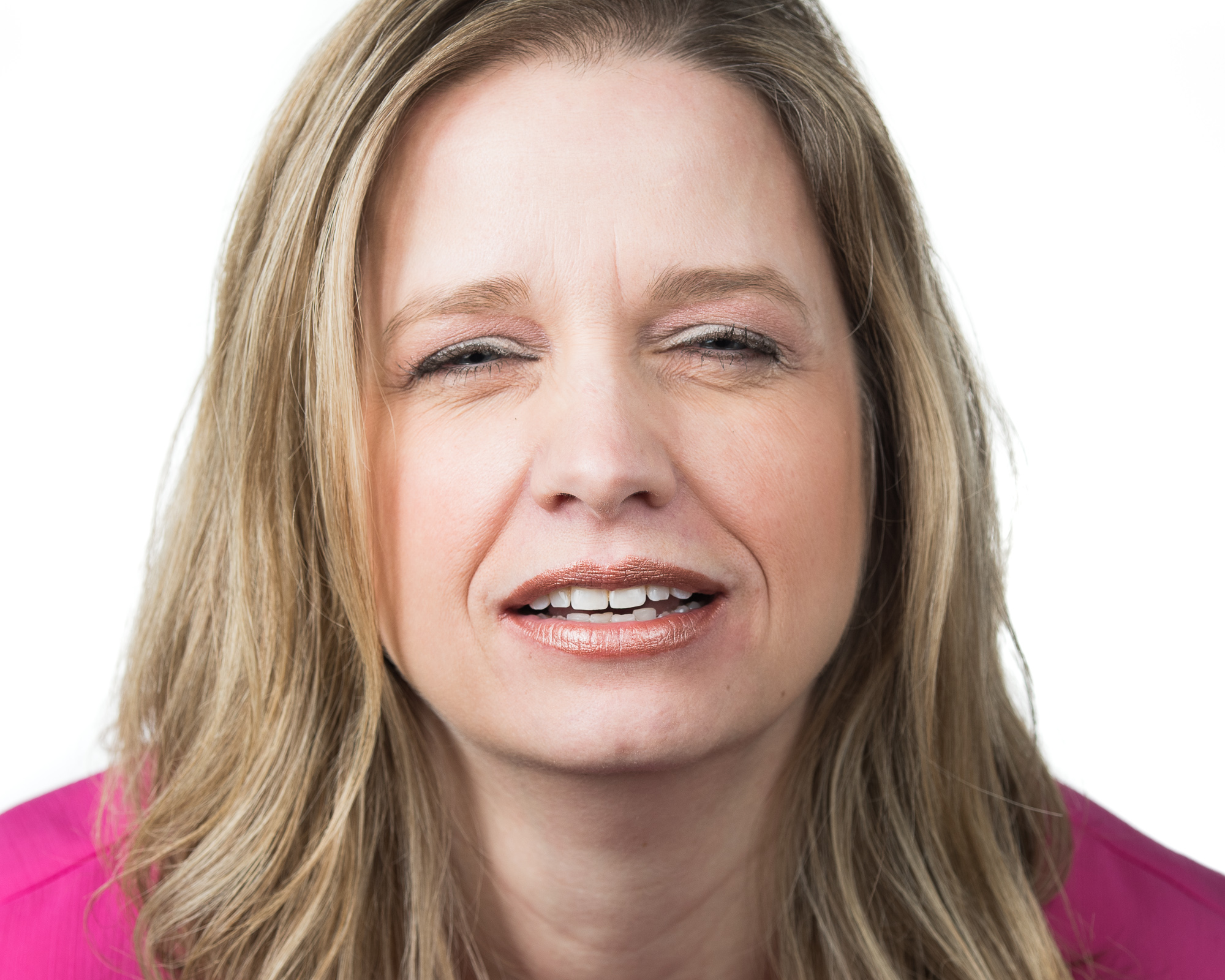
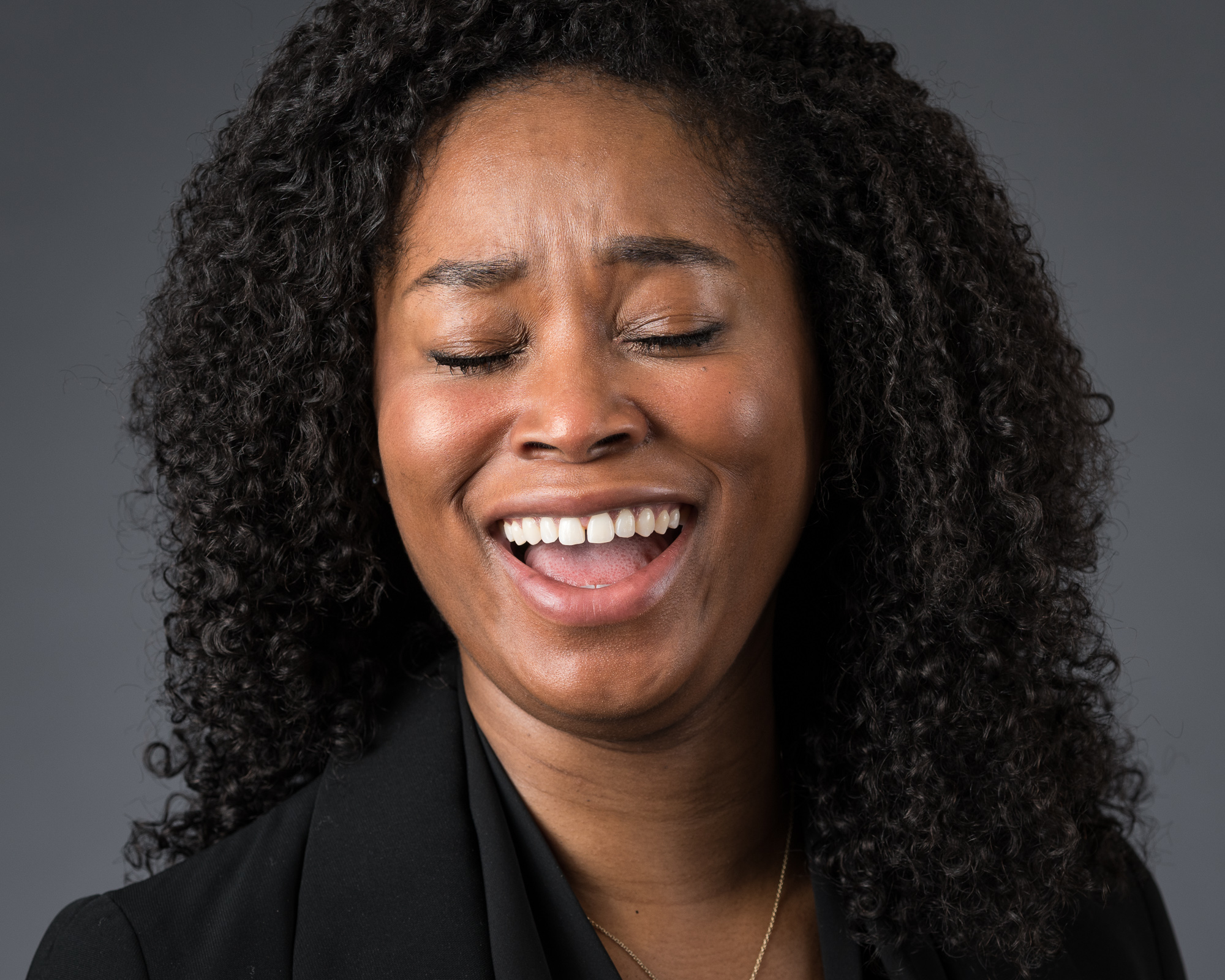
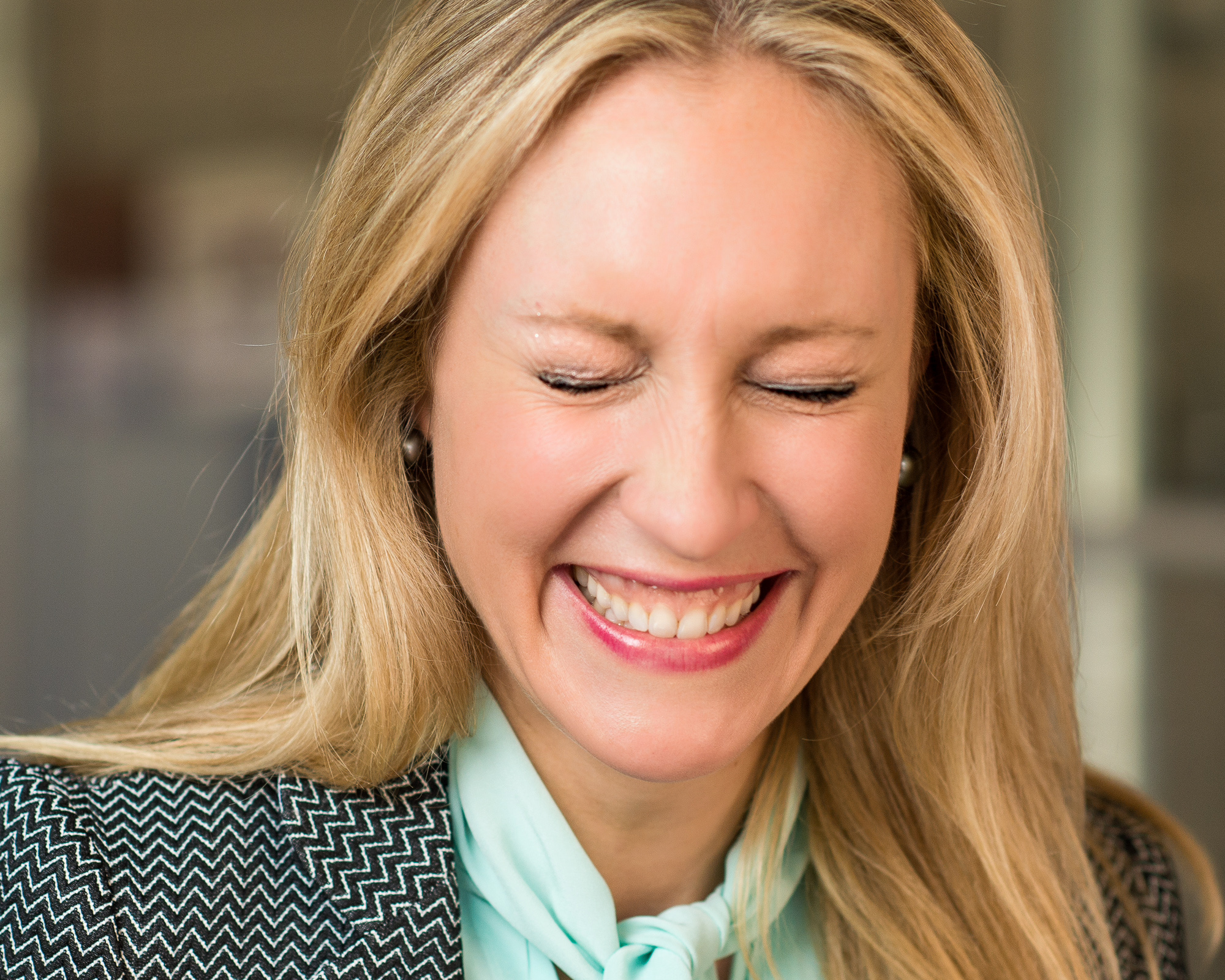
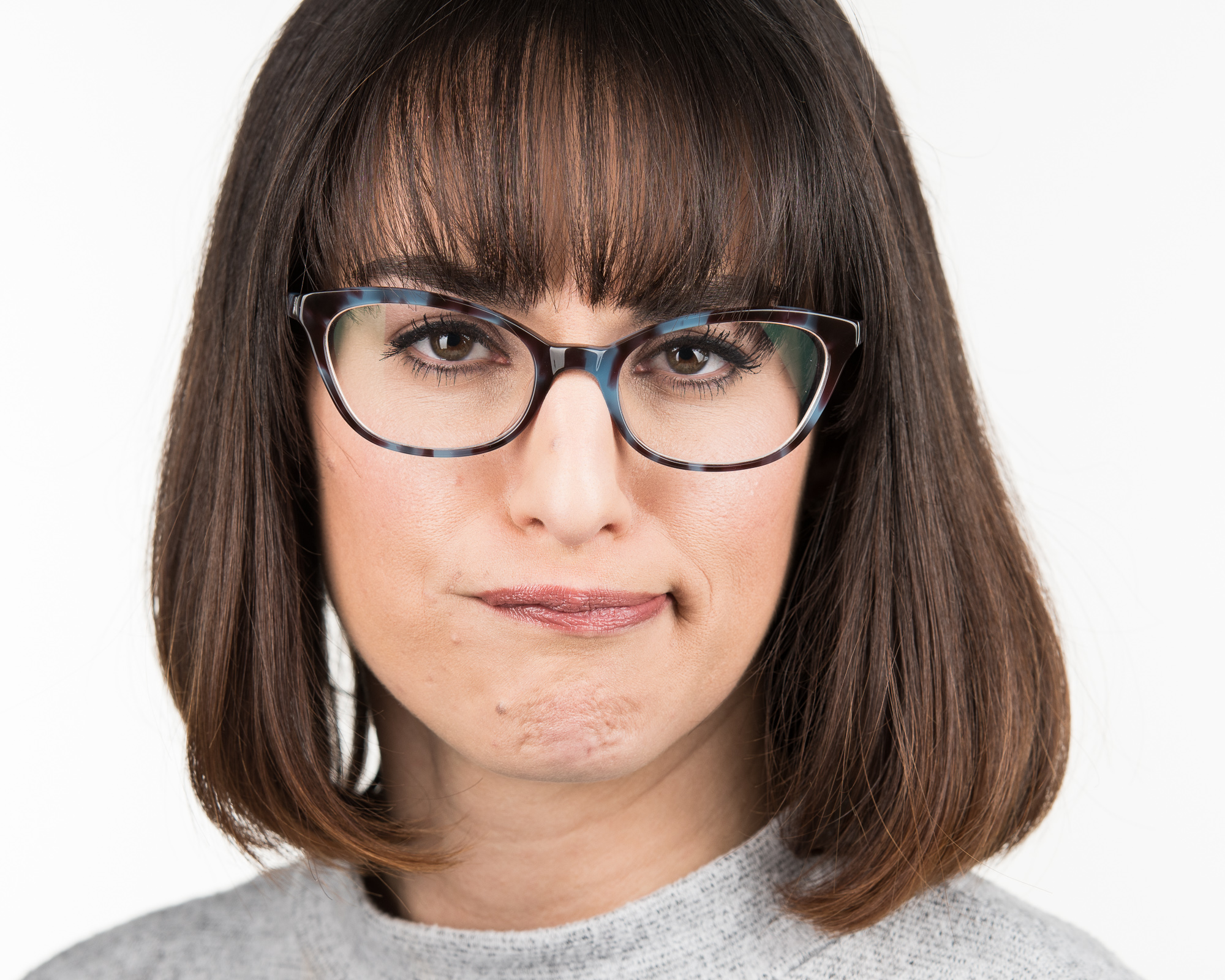
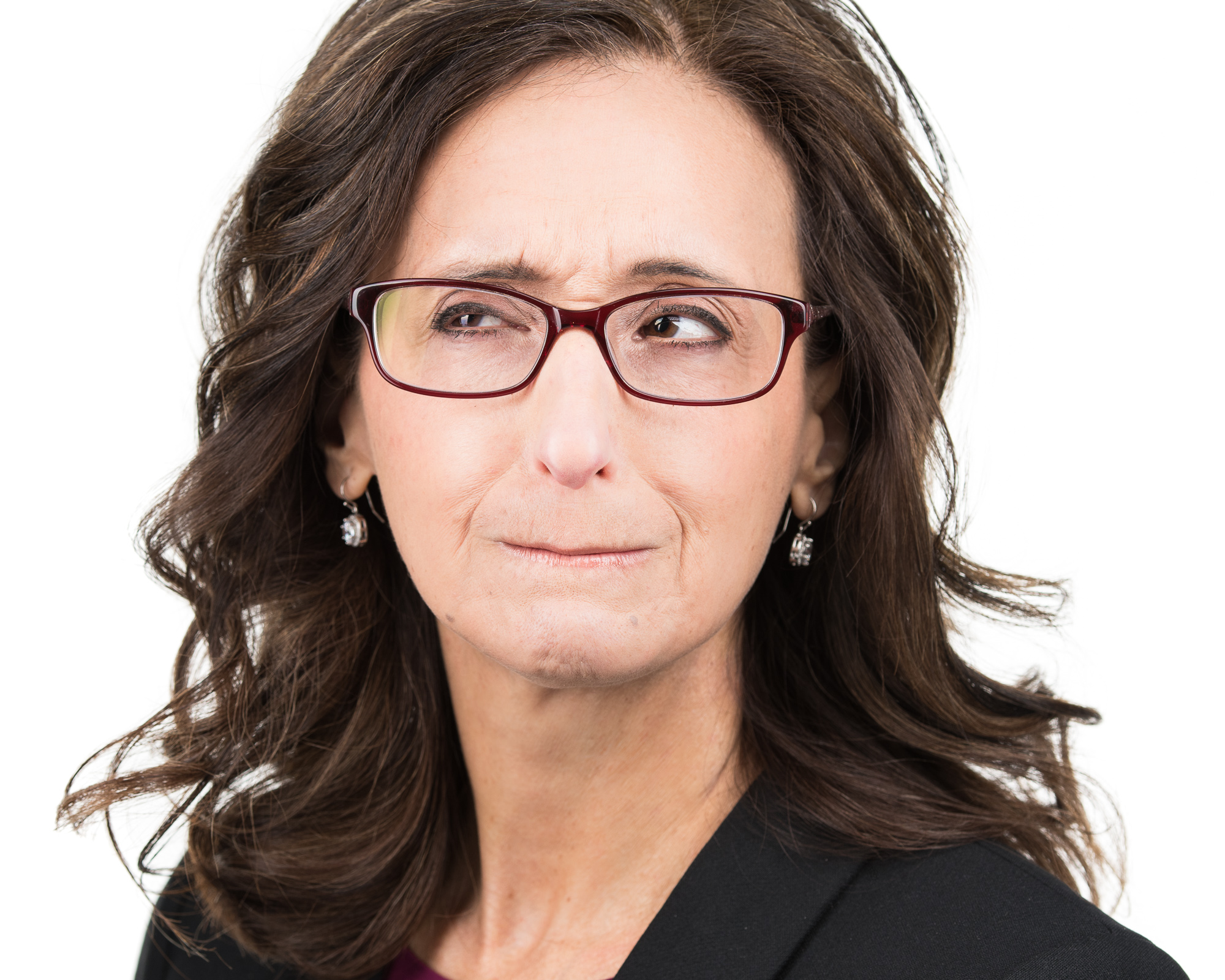
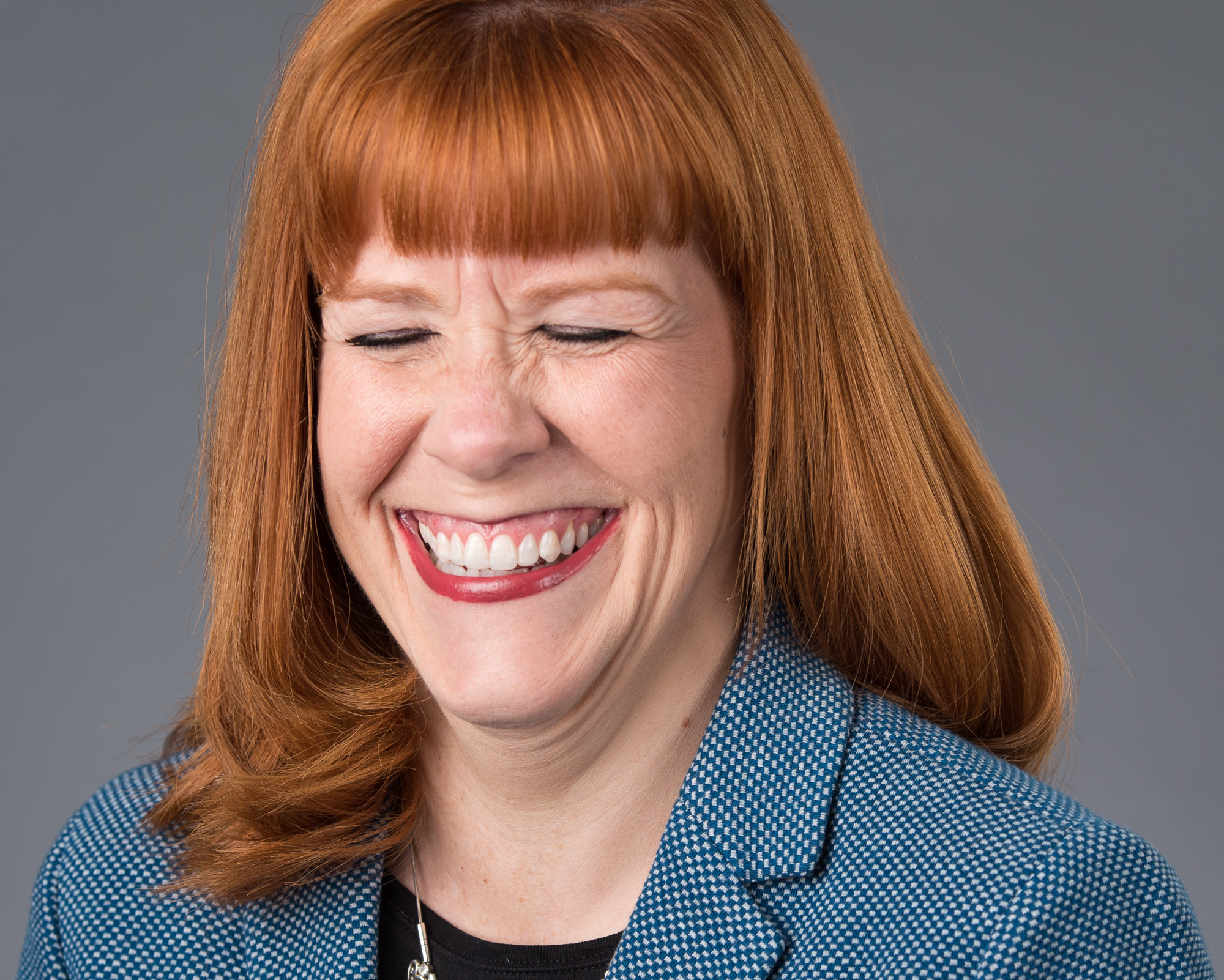
The number one trend I’m seeing is a move away from stiff, overly posed portraits. Clients want to look professional, but also approachable and real.
When I coach people during a session, I’m often helping them find that “confident but relaxed” expression, the kind of look that makes someone say “I could work with that person.”
Professional headshots have changed dramatically over the last few years. Whether you’re an executive, a new graduate, or a creative professional, your headshot is one of the first impressions you make online.
As a full-time, headshot photographer in Metro Detroit for over a decade, I’ve seen style preferences, lighting techniques, and even expectations shift. What people value going into 2026 is different than what they valued even five years ago. And that matters if you want your image to feel current, trustworthy, and professional.
The Rise of the Authentic Look in Professional Headshots
The number one headshot trend I’m seeing is a move away from stiff, overly posed portraits. Clients want to look professional, but also approachable and real.
When I coach people during a session, I’m often helping them find that “confident but relaxed” expression, the kind of look that makes someone say, “I could work with that person.”
If your current headshot still looks like a DMV photo, it’s time for an update. At the risk of being cliche, today’s audiences respond to authenticity. Remember too that authentic doesn’t mean perfect.
Headshot Fashion and Wardrobe Trends
In the post-pandemic era, business fashion has leaned more toward business casual. Ties are less common, even in more conservative industries like finance or law.
However, I expect this ultra-casual wave to stabilize as more companies bring people back into offices. If your headshot still features your pre-2020 suit, it might be worth refreshing your wardrobe before your next session.
Key wardrobe tips:
Choose solid colors and tailored fits (a little snug is always better than baggy).
Avoid busy patterns or flashy accessories.
Keep it simple — clean, modern, and distraction-free.
These choices always photograph best and age well over time.
Natural Headshot Retouching: Keeping It Real
Another big shift: Clients are increasingly aware of over-retouched headshots. Many have experienced “filter shock” when a headshot looks nothing like them in real life.
I believe in light, natural retouching — polishing, not transforming. A little skin smoothing and stray hair cleanup go a long way, but your audience should still see you as you appear today.
Remember that we are always our own harshest critics. Most people viewing your image don’t notice the imperfections that you do in the mirror.
Headshot Cropping and Image Format Trends
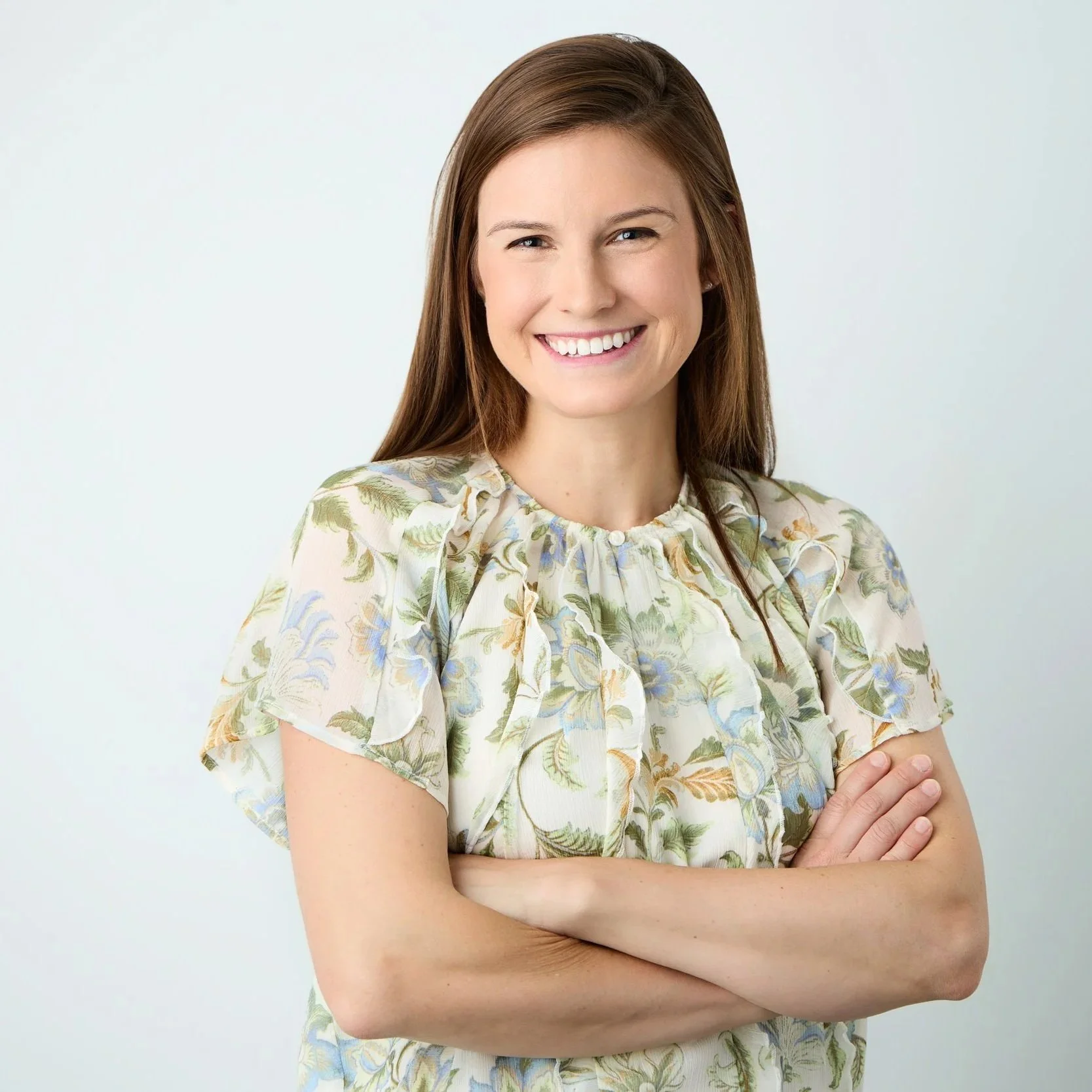
Headshots are no longer just for LinkedIn. They’re used in proposals, websites, slides, and even on billboards. A tight shoulders-up crop doesn’t work across all formats.
That’s why modern professional headshots often include waist-up or three-quarter framing to provide more flexibility for marketing uses. I encourage clients to capture multiple crops and expressions during their session. That way, they have options for everything from LinkedIn to press releases.
Why Your Professional Headshot is a Key Marketing Asset
Your headshot isn’t just a photo — it’s a marketing tool. It communicates your personal brand, your confidence, and your professionalism.
View it as a commercial photograph where you are the product. The goal is to build trust and connection with the people who see it.
A great professional headshot works hard for you. And sometimes the best headshot is the one that works best for a specific marketing use case. It may not have your favorite smile or pose, but that’s OK. Remember, it’s not for you.
AI-Generated Headshots: Convenient but Complicated
AI-generated headshots are a growing trend, but they come with caveats. They can look surprisingly good when the AI is trained on a variety of real photos, but there are ethical and legal gray areas.
Should you represent yourself with a generated image? That’s a personal decision, but if authenticity matters to your audience, consider the implications.
For large organizations, AI can create more headaches than it solves. Consistency, clear copyright ownership, and quality control all remain challenges. Until those issues are resolved, traditional photography still offers the most reliable, brand-safe option.
Corporate headshot photographers are used to working with large groups. We are surprisingly efficient. In most cases, it’s likely that we can have your retouched images to you the next day, if not sooner.
Headshot Trends by Career Stage
Young Professionals
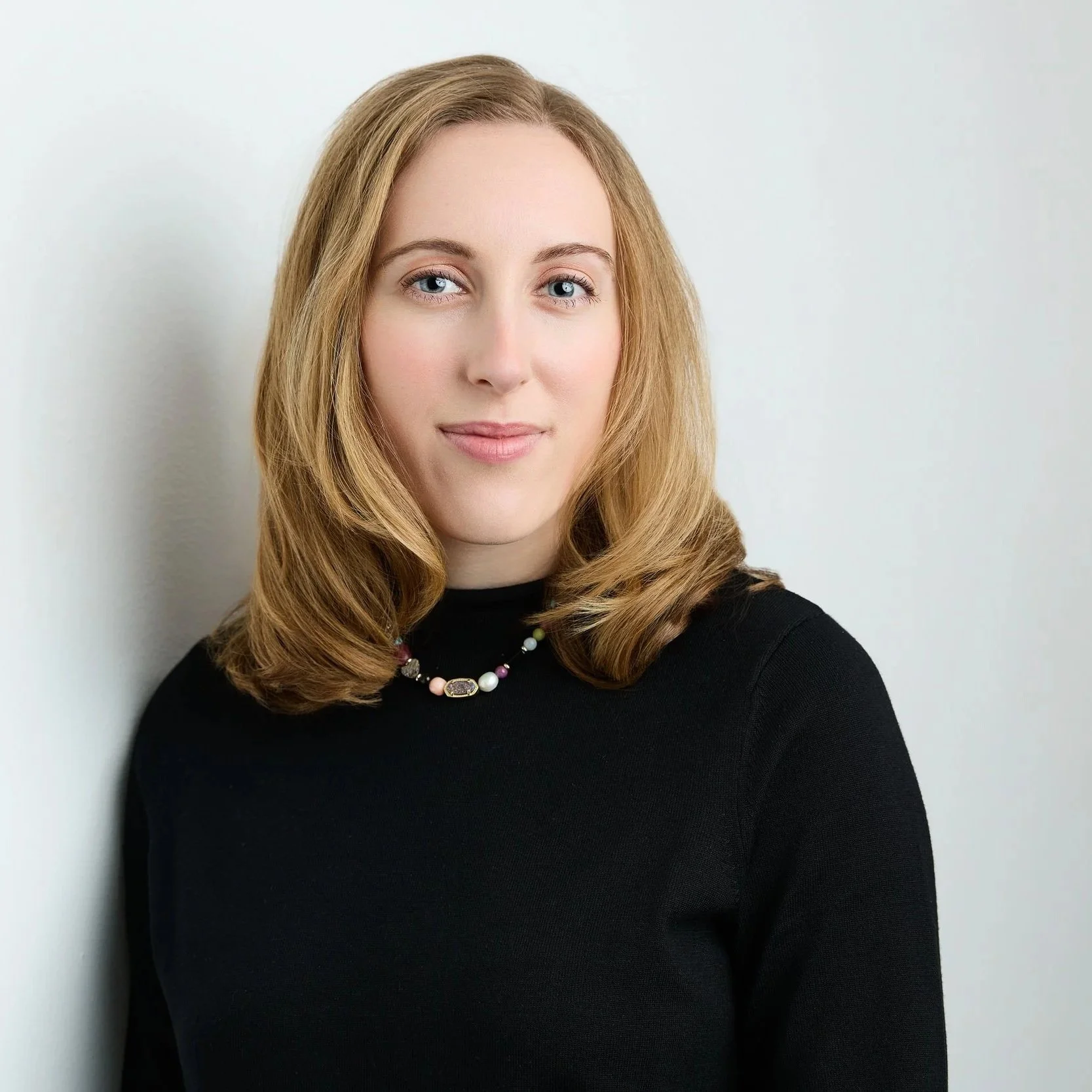
Don’t assume new grads and early career professionals want a super casual headshot. My clients in this group often invest in updated wardrobes and may hire makeup artists to look polished. They want to project confidence and maturity as they look to quickly climb to the top.
Expression coaching during your sessions helps dial in a more refined (and mature) look.
Mid-Career Professionals
This group is typically comfortable in their roles but needs their image to reflect their experience. A professional headshot signals readiness for advancement or a fresh opportunity. If your last headshot is more than five years old, it’s time for a refresh.
Your audience values (and will pay more for) your experience (and all the gray hairs that might come with it). Yes, I know getting older sucks, but I don’t recommend trying to mask your age. At least once a week, clients tell me about someone in the office with the twenty year old headshot. People notice.
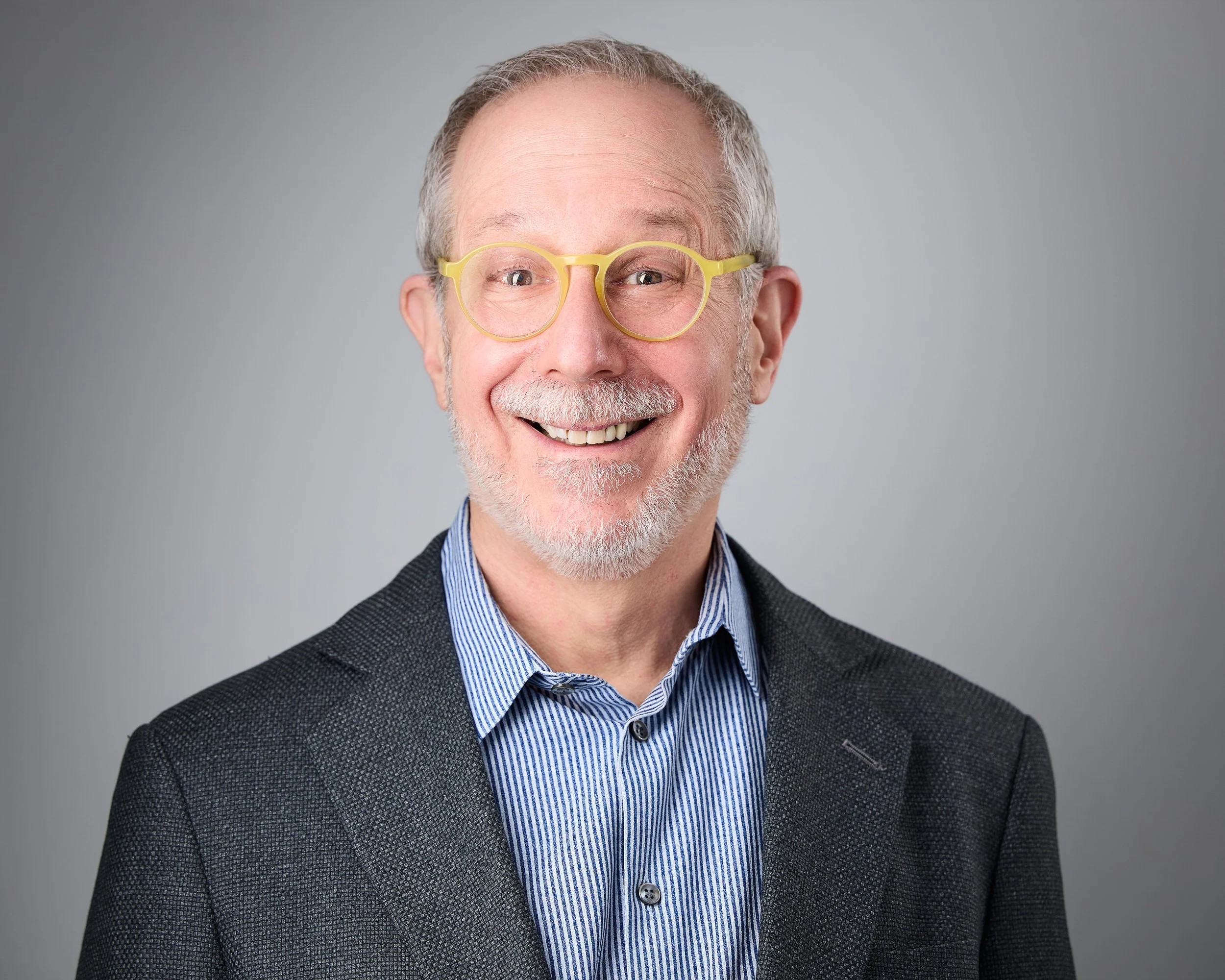
Senior Professionals & Executives
For late-career professionals or consultants, the goal is often approachability and authority. They’ve earned confidence and it shows. Wardrobe choices might lean more traditional, but many also bring casual options to the session to reflect authenticity and a balanced personality.
Often this group has one foot in their corporate career and an eye toward consulting. With consulting comes a ton of personal marketing that they may not be familiar with. If you’re in this group, lean on your photographer for advice. You will certainly need more than a classic LinkedIn headshot.
Headshot Trends by Industry: Law, Finance, Tech, and Creative Fields
Law Firms
Lawyers remain among the most traditional clients when it comes to attire as suits and ties remain the norm. But style has evolved: expressions are friendlier, and lighting is more natural. The goal is to appear competent and approachable.
Legal marketing teams are also requesting more flexible crops — from waist-up to knee-up — to use across web and print materials.
It’s no longer “just a headshot.” It’s your personal brand with undertones from the firm you work for.
Financial Services
Bankers, advisors, and consultants in financial services typically follow similar style rules to attorneys, but often prefer clean, neutral backgrounds. Composite team portraits are becoming more popular because they allow firms to stay current as staff changes without the need to reshoot the whole team.
Tech and Creative Industries
Here, there are few rules. Company culture and industry niche determine the right look. A Detroit tech startup in the automotive space, for example, may need to balance traditional automotive expectations with modern creative flair.
When in doubt, I often shoot multiple looks: one formal, one business casual, and one relaxed. That flexibility lets clients adapt their image as needed.
The Takeaway: Professional Headshots Are Still About Human Connection
AI may be changing the landscape, but one thing hasn’t changed: People want to see people.
Your audience connects most when your photo feels natural, confident, and current. A great portrait photographer will help you get there with posing, expression coaching, and lighting that flatters rather than hides.
Your headshot is your visual handshake. Make sure it still feels like you. If you’re in the Detroit area and looking for a professional headshot photographer, I’d love to work with you. Learn about my individual headshot options and pricing or corporate headshot sessions for teams.
If you need a full crash course to prepare for your headshot session, check out my Headshot Maximizer Course. Use the code SMILE for $30 off. As a full-time headshot photographer for over a decade, I’ve coached countless clients into their best poses, and I’m here to share my go-to tips for looking polished, confident, and approachable.

Five Headshot Posing Mistakes You’re Probably Making (And How to Fix Them)
A great headshot should look confident and natural, not forced or uncomfortable. After over a decade of coaching professionals into their best headshots, I’ve seen the same posing mistakes pop up time and time again. So let’s talk about five key things to avoid during your session.
Looking stiff or awkward on camera is one of the biggest concerns my clients have—and honestly, it’s a fair point. A great headshot should look confident and natural, not forced or uncomfortable. After over a decade of coaching professionals into their best headshots, I’ve seen the same posing mistakes pop up time and time again. So let’s talk about five key things to avoid during your session.
Forget the "Grandma Posture" Advice
Remember when you were told to stand up straight, chin up, shoulders back? Forget it. While that advice might work for a formal event, it doesn’t translate well on camera. Lifting your chin too high minimizes the impact of your eyes and facial features—two of the most important aspects of a great headshot. Instead, bring your chin down slightly and push your forehead out just a bit. This small adjustment makes a huge difference.
No Selfie-Style Angles
It’s tempting to lift the camera above eye level like you would for a selfie, but for a professional headshot, this is a mistake. A high angle puts you in a non-dominant position, making you look less confident. Instead, keep the camera at or slightly below eye level for a balanced, authoritative look.

Skip the Super Cheesy Smile
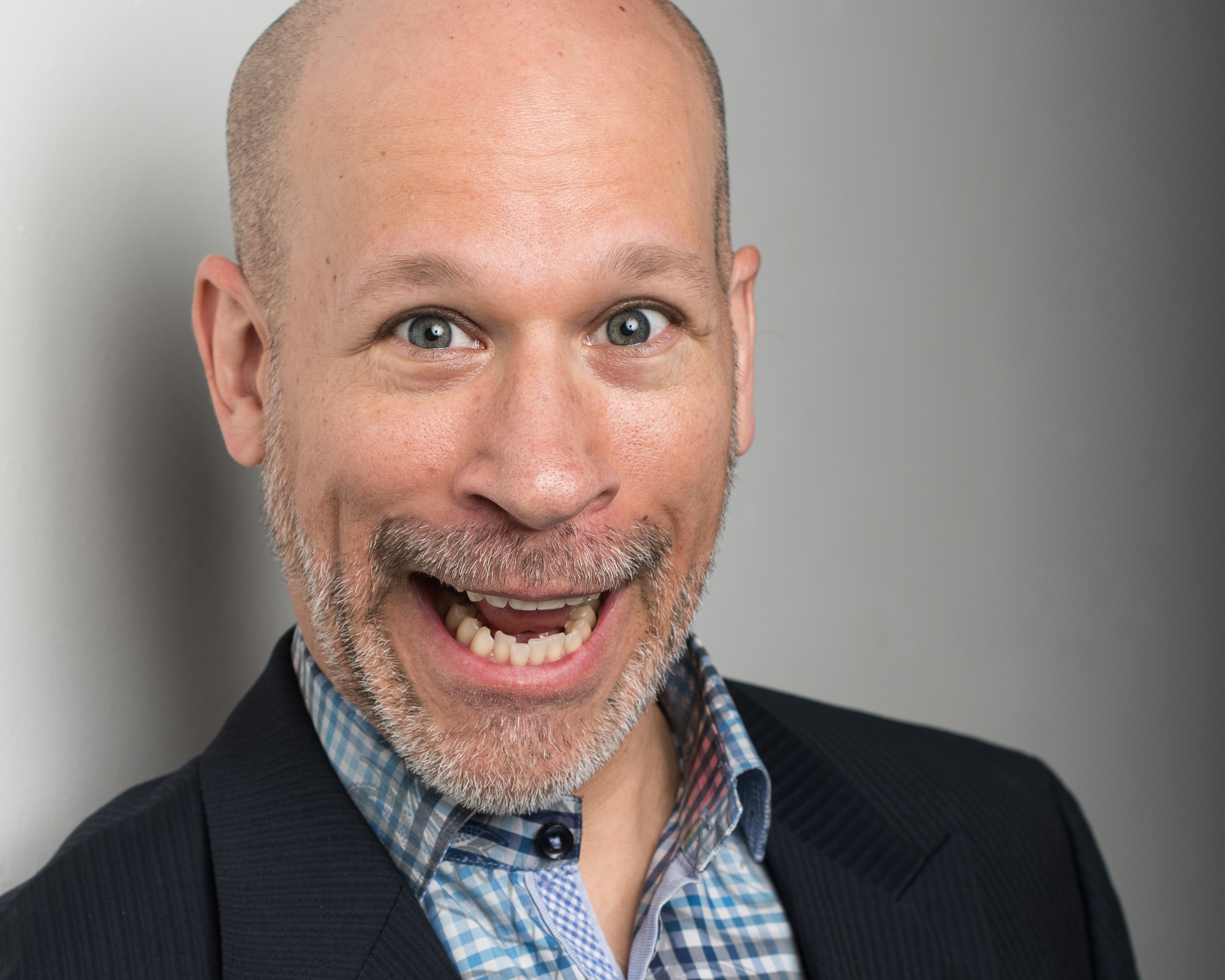
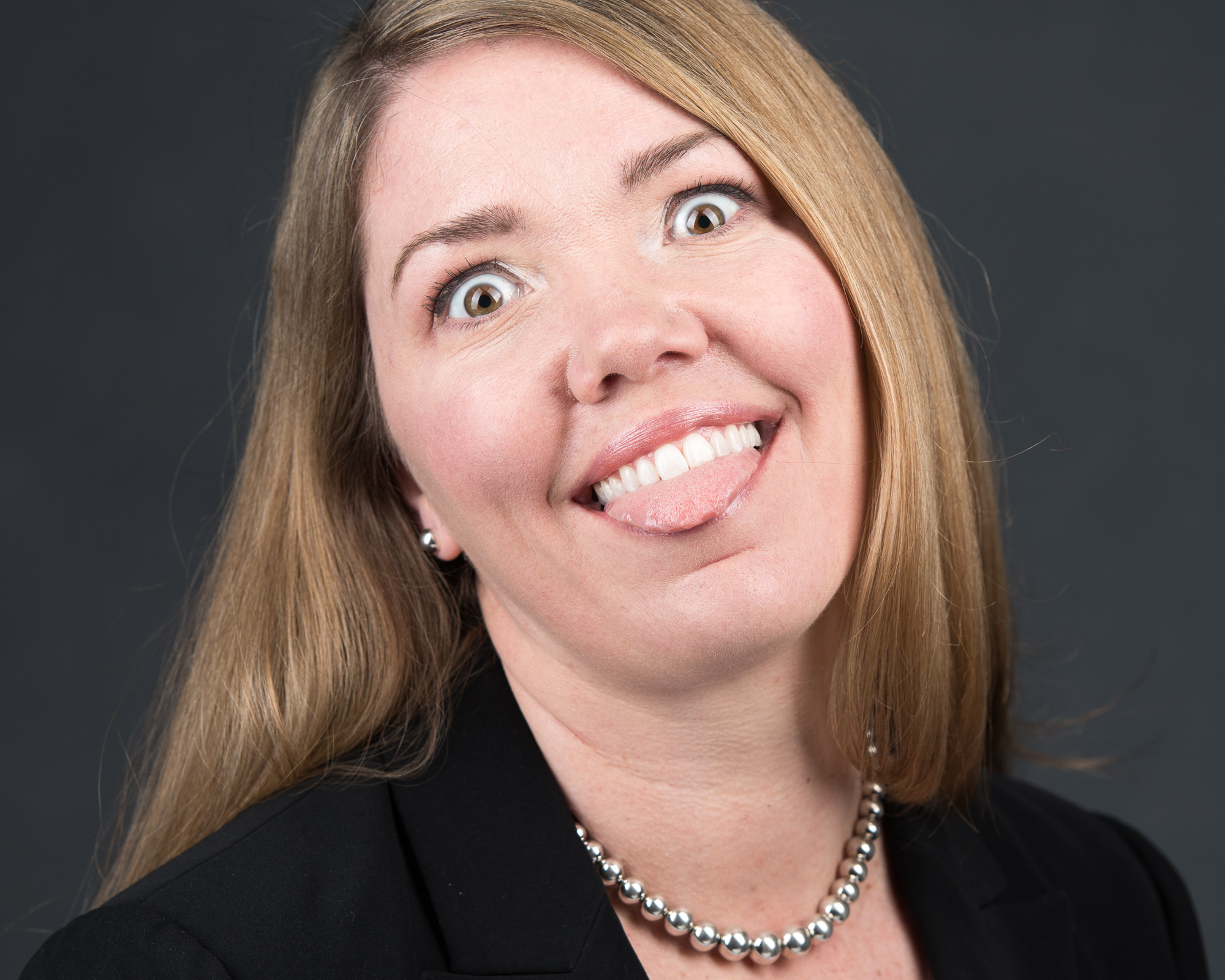
A forced, jaw-clenched, gum-showing grin feels awkward—and it looks awkward too. Over-the-top smiling can make young professionals look even younger and, honestly, a bit too eager. A great headshot photographer will guide you through a range of expressions to find a natural, authentic smile that suits you.
Avoid the Straight-On Pose
Standing with your shoulders square to the camera is one of the toughest looks to pull off. Most people appear wider than they actually are, which isn’t usually the goal of a headshot. Instead, turn your body slightly (about 30-45 degrees) and then turn your head back toward the camera. This small shift creates a more flattering, dynamic composition.

Don’t Force Your Eyes Open Wide
Worried about your eyes looking squinty? Don’t try to overcorrect by forcing them open. This is one of the most unnatural-looking expressions on camera. The truth is, a slight squint happens naturally when we smile, and it’s what makes expressions look genuine. Trust that it will look great in your final image.
These five simple adjustments can completely transform your headshot, making you look more relaxed and confident.
Want more posing advice? Let me know your biggest headshot concerns in the comments!
If you need a full crash course to prep for your headshot, check out my Headshot Maximizer Course. Use the code SMILE for $30 off. As a full-time headshot photographer for over a decade, I’ve coached countless clients into their best poses—and I’m here to share my go-to tips for looking polished, confident, and approachable.

Corporate Headshot Poses That Work
As a full-time headshot photographer for over a decade, I’ve coached countless clients into their best poses—and I’m here to share my go-to tips for looking polished, confident, and approachable.
As a full-time headshot photographer for over a decade, I’ve coached countless clients into their best poses—and I’m here to share my go-to tips for looking polished, confident, and approachable. If you need a full crash course to prep for your headshot, check out my Headshot Maximizer Course. Use the code SMILE for $30 off.
Standing Poses for Chest-Up Crops

These poses are ideal for LinkedIn profiles, social media avatars, and email signatures. Your hands won’t be visible in the frame, so keep them relaxed at your sides or in your pockets. Make sure your shoulders don’t creep up—relax them! A few notes:
Push your forehead slightly toward the camera and lower your chin (without tucking).
Maintain direct eye contact with the camera.
For variations, add a slight turn to the left or right, bringing your head back around to face the camera. This angle works for most body types. Or, play with your head turn slightly—but stop short of 90 degrees.
Keep your smile natural, no need to overdo it.
Standing Vertical Poses

These vertical poses, framed from the hips up, are versatile for multiple crops—perfect for website bios, marketing materials, or group composites of your team. Remember to:
Hinge forward slightly at the waist.
Mix up your hand positions: one in a pocket or resting naturally at your side.
Shift your weight from one foot to the other for a relaxed stance.
For additional variations, turn slightly to one side and bring your head back around for audience engagement. For an even more polished look, place a hand on your jacket button, as if buttoning it. Keep your fingers relaxed and avoid making a fist. Check out the video for a few additional tips on these vertical options.
Try Multiple Poses
Not every pose works for every body. Your movement, body type, and clothing all play a role. Trying a few options ensures you’ll find the pose that makes you look your best.
Remember, If you need extra preparation, check out my Headshot Maximizer Course for detailed advice on everything from posing to headshot usage tips.

What To Expect When Booking Corporate Headshots
Are you planning a headshot day for your colleagues in the office? Or maybe you’re hosting a conference and need a headshot booth? Either way, choosing the right photographer for your corporate headshot project can be a daunting task.
Are you planning a headshot day for your colleagues in the office? Or maybe you’re hosting a conference and need a headshot booth? Either way, choosing the right photographer for your corporate headshot project can be a daunting task.
With a decade of experience in corporate headshots, I’m here to guide you through what to expect when booking.
Specialized Expertise for Corporate Headshots
Corporate headshots require a different approach compared to individual or creative photoshoots. The images need to be consistent and professional, maintaining a uniform look for all participants. This involves specific posing, lighting, shooting, and processing techniques to ensure repeatable results throughout the day and in the future.
Remember, most participants aren’t professional models, and being photographed isn’t their favorite activity. Often, we work in conference rooms with simple setups—no elaborate scenery or props. This makes the photographer’s skill crucial.
Leveraging Technology for Better Results
Software plays a significant role in achieving excellent headshot results efficiently. I use a great tool called Headshot Tools, which has quickly become the industry standard for corporate and event headshot photography. By shooting directly into a computer, clients can see previews during the session, allowing for immediate adjustments to hair, clothing, or other details. This eliminates surprises and ensures everyone is happy with their images.
Streamlined Workflow with Headshot Tools
Headshot Tools offers several features that make the process smoother for both the photographer and the client. For project organizers, receiving files named by employee name saves the hassle of renaming files. Moreover, each subject gets a private gallery link within minutes of their session, so they can select their favorite image for retouching without the whole office seeing their proofs.
Once retouched, the images are delivered back through the same proof gallery. This means you, as the project organizer, don’t need to send numerous individual emails. Instead, you receive a master gallery link to download all the finished images in one place.
Ready to Book?
When choosing a headshot photographer, be sure to ask about the software workflow (it might just save you hours or days of work after the event). Reviews, local reputation, image portfolio, studio availability, and options for new hires are also important to the experience.
Reach out if you’re interested in learning more about headshot options for your team or your next event or conference. I’m Detroit based, but I do travel for larger projects. For smaller projects outside Michigan, I might be able to recommend a fellow photographer that can offer a similar level of service.

Learn more about corporate headshot options.
Got more headshot questions? Check out the headshot FAQs.
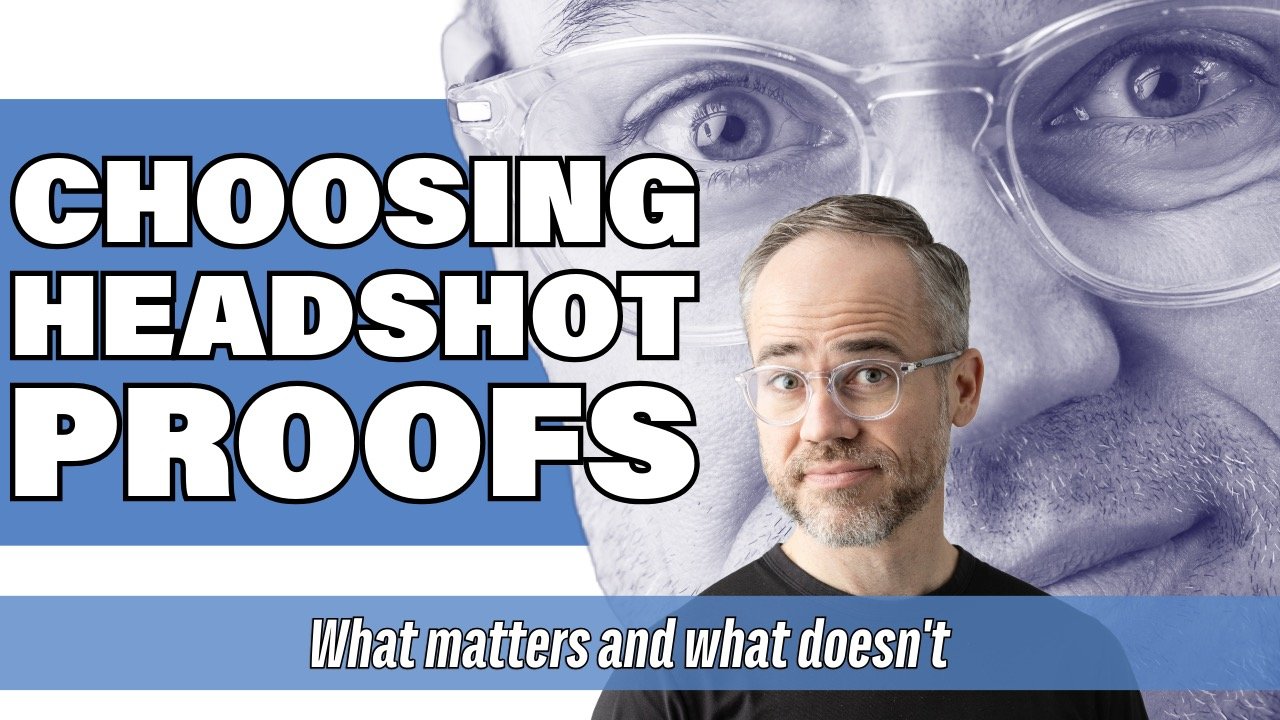
How to Pick Your Best Headshot
Let’s be honest, seeing yourself through the lens of high-resolution photography can be daunting. Many of us are accustomed to the forgiving nature of Instagram filters or Zoom enhancements, which skew our perception of reality. This shift can make viewing unretouched headshot proofs a challenge.
Let’s be honest, seeing yourself through the lens of high-resolution photography can be daunting. Many of us are accustomed to the forgiving nature of Instagram filters or Zoom enhancements, which skew our perception of reality. This shift can make viewing unretouched headshot proofs a challenge. But I assure you, you have better things to worry about. Here are a few things to keep in mind for context.
Straight Out of the Camera
Headshot photographers, often show proofs that are straight out of the camera, with only minor adjustments for color and contrast. The goal is to capture a great image right from the start, minimizing the need for heavy retouching and keeping the image as natural as possible. Yet, the best in camera captures will reveal minor imperfections like facial lines or flyaways. And that’s ok.
Too Close For Comfort
One common pitfall is the urge to zoom into these proofs to pixel-level detail. This level of scrutiny is unnecessary and unhelpful, as no one else will inspect your headshot with such intensity. People viewing your headshot, whether on LinkedIn, a company website, or a business card, will focus on your major facial features and overall expression. These images are generally viewed at a much smaller scale where many minor imperfections become invisible.
Don’t Zoom In & Second Opinions
So when reviewing your proofs, please resist the temptation to zoom in! Instead, view your images at the intended display size. Thumbnails, for example, are an excellent way to gauge the effectiveness of a headshot. Ask for feedback from trusted friends or family, who are likely to view your photo more objectively than you might.
Remember, the goal of a headshot is to represent you as you are today. Your audience wants to see the real you (today, not from twenty years ago). A little retouching is perfectly acceptable but stay true to your current appearance. You've hired a photographer to handle (and worry about) the details, so you don’t have to.
Book your session today!
Learn more about corporate headshot options.
Got more headshot questions? Check out the headshot FAQs.
The Blog
Headshot tips, client features, and more!