Modern Headshot Style Trends for 2026 and Beyond
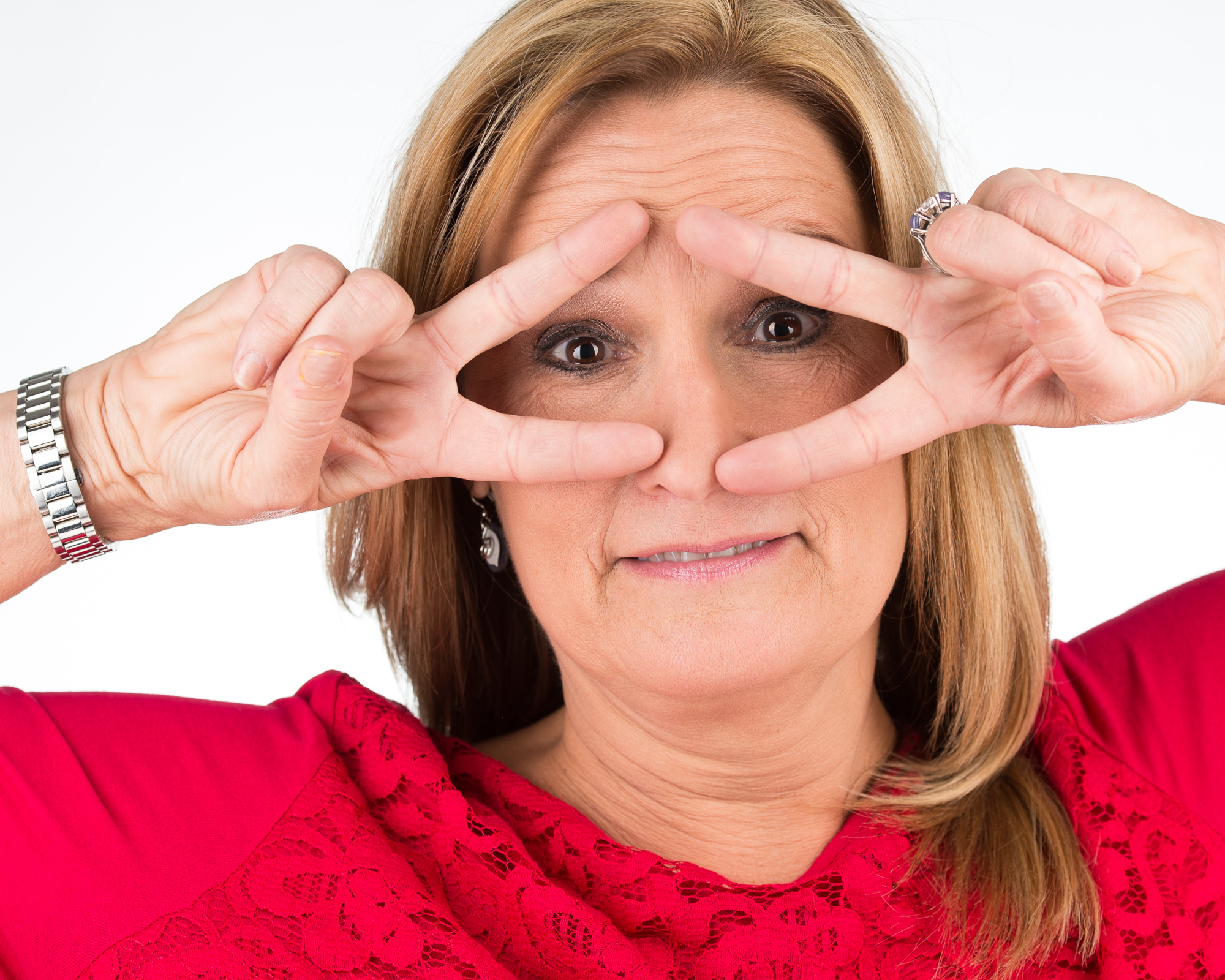
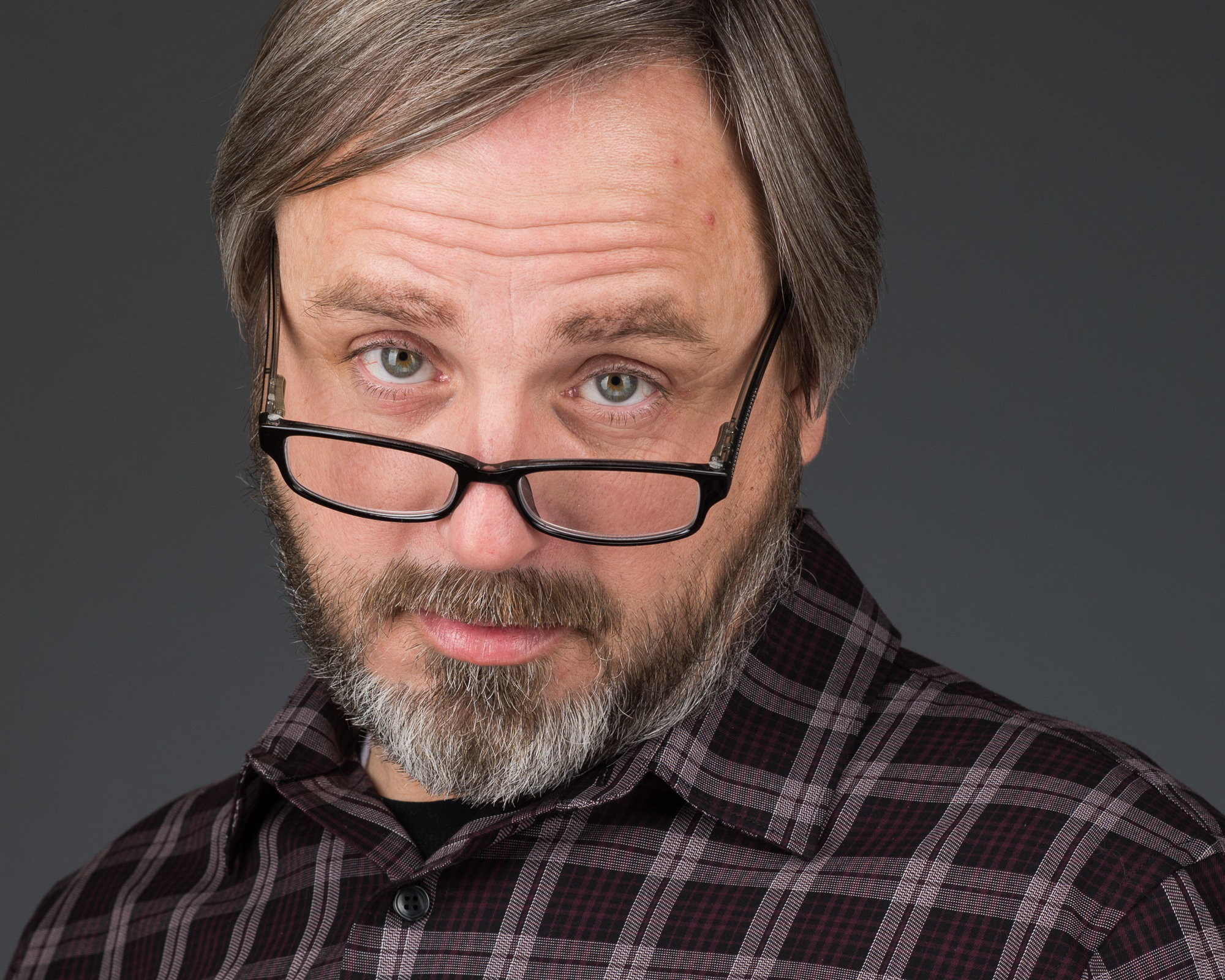
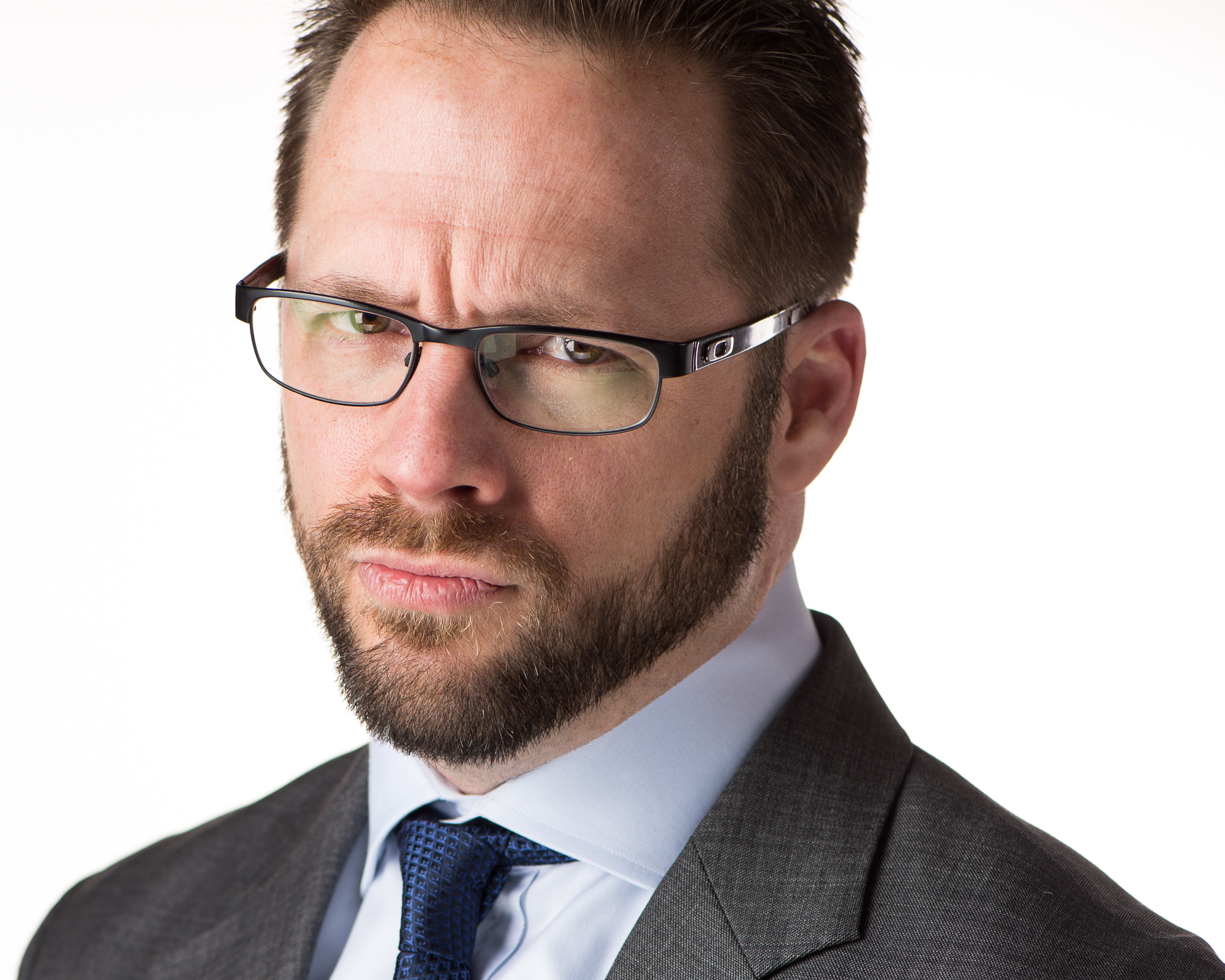
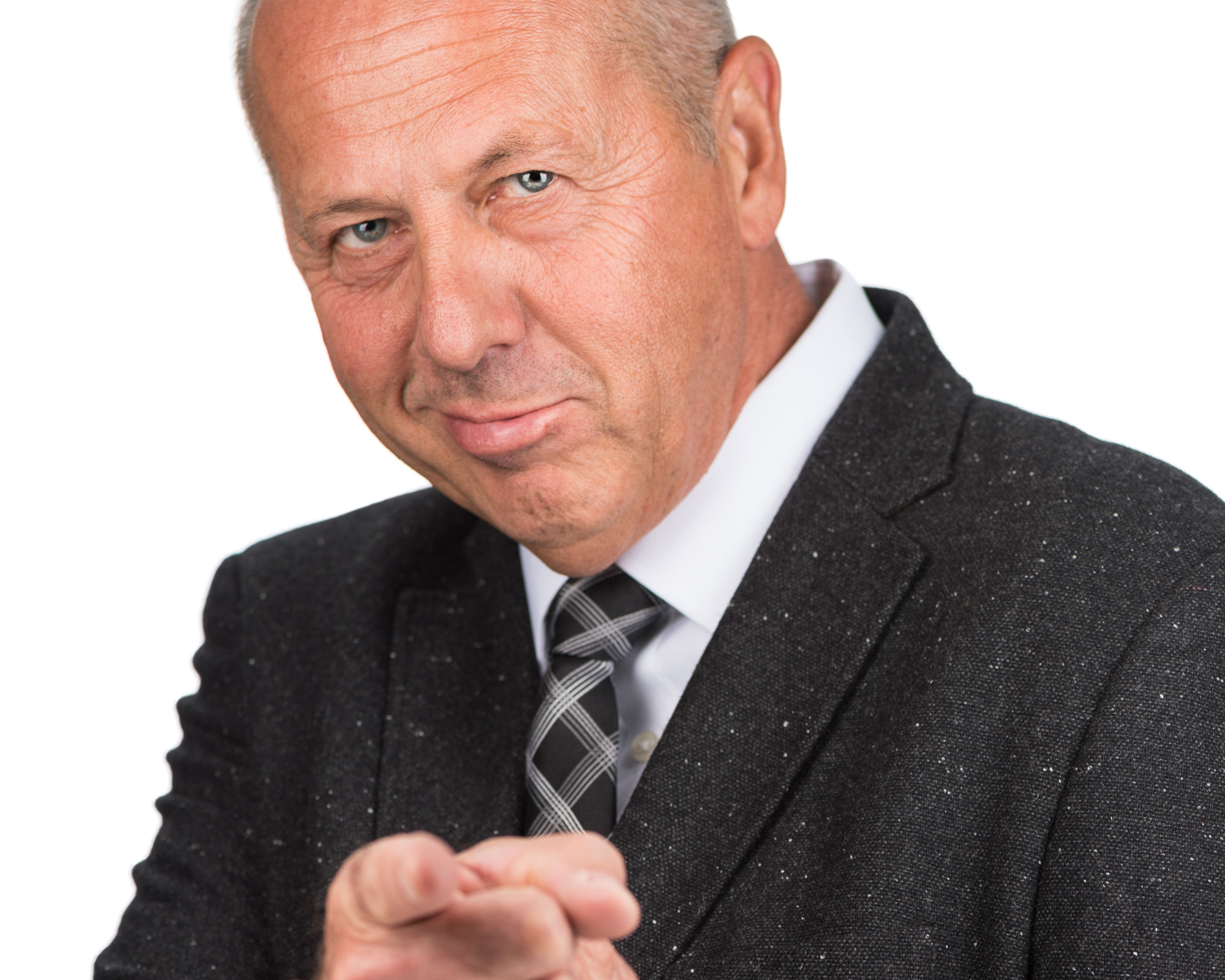
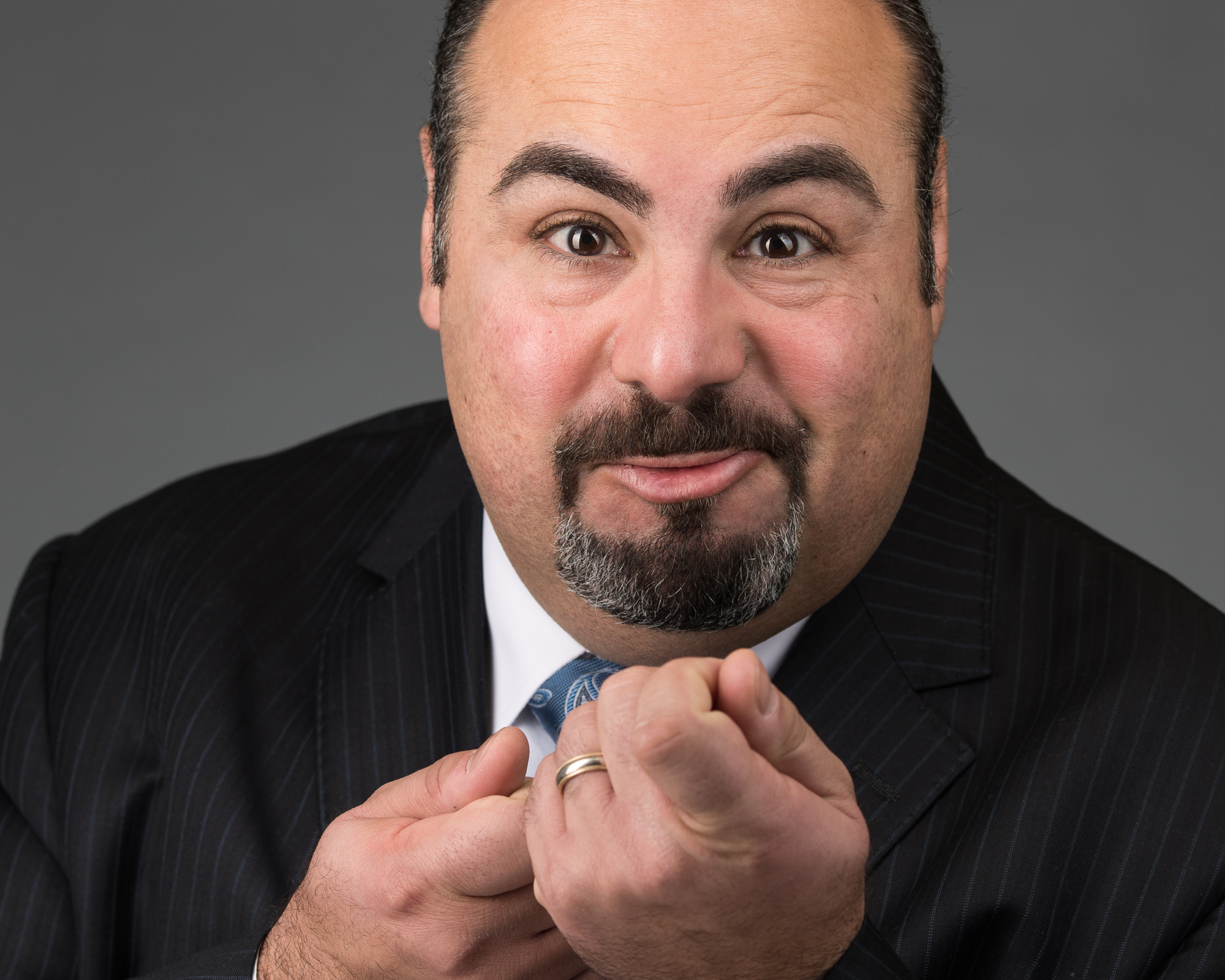
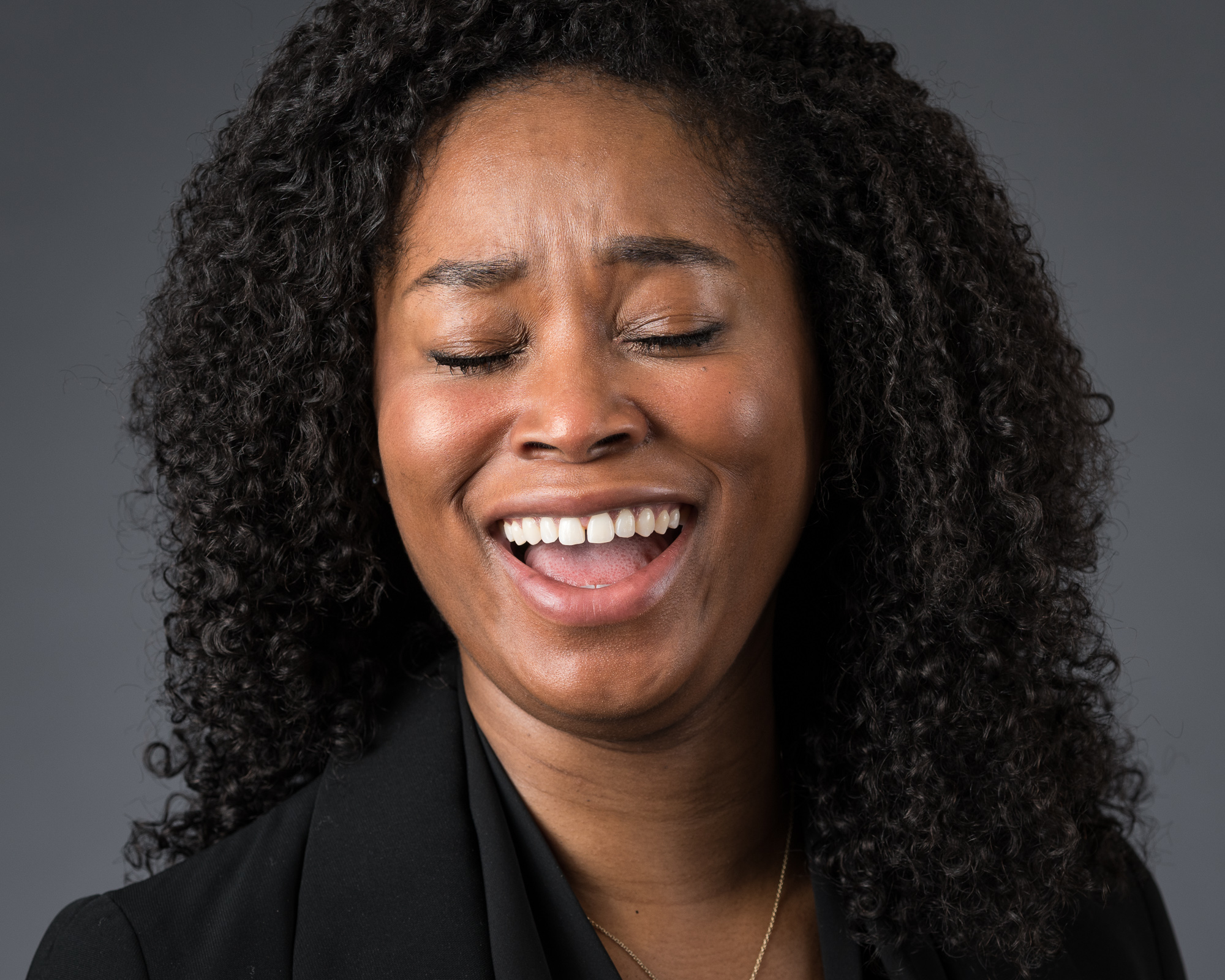
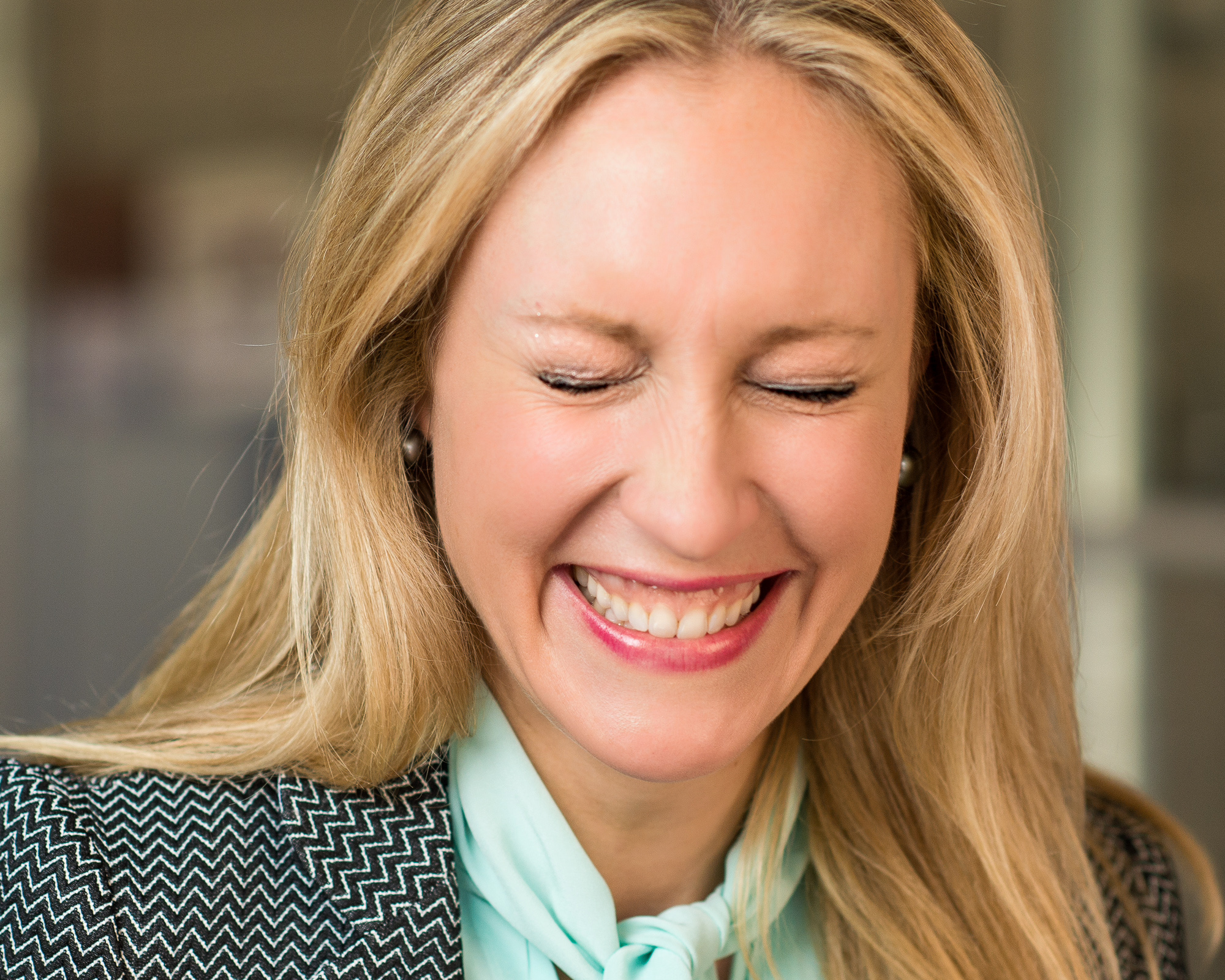
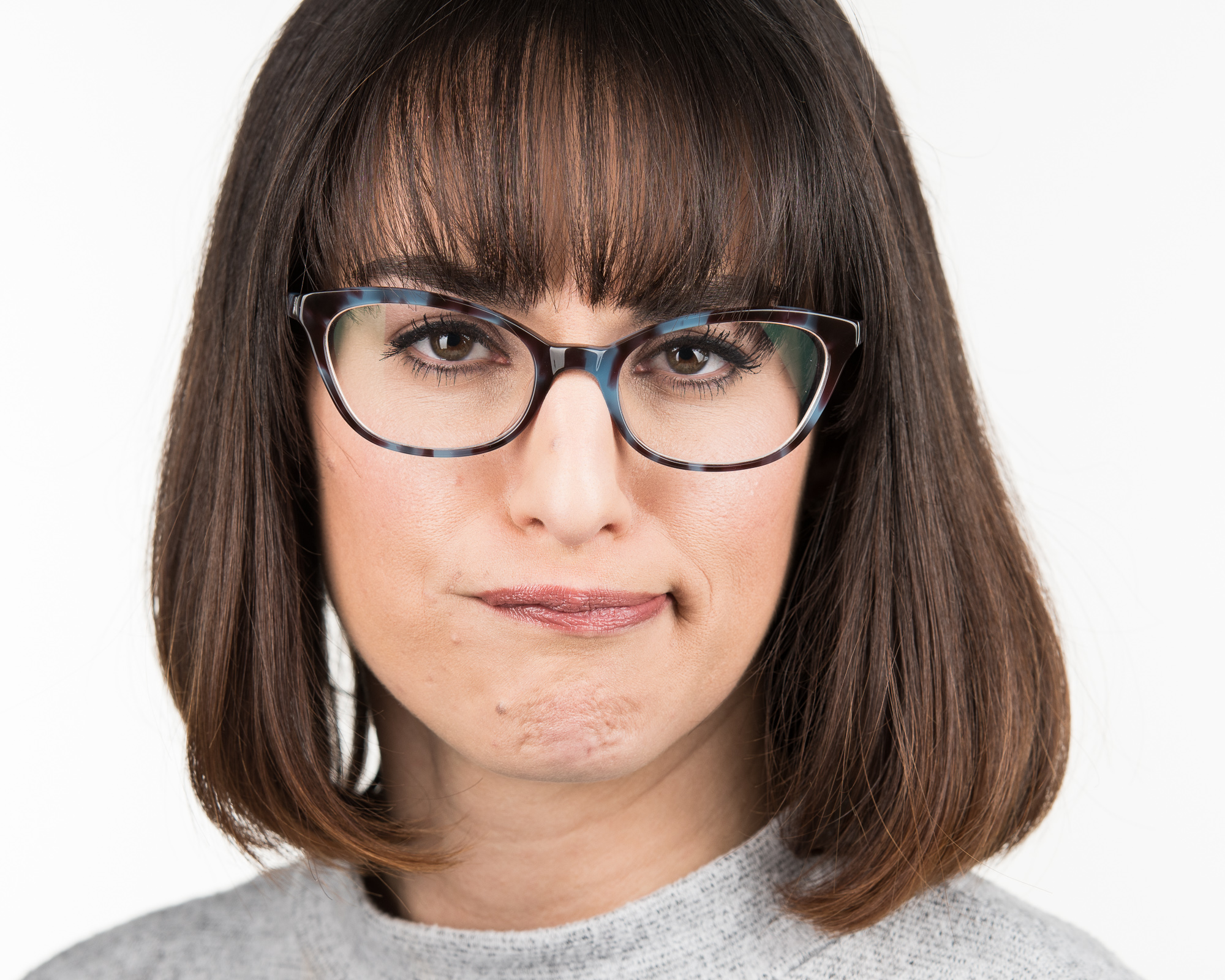
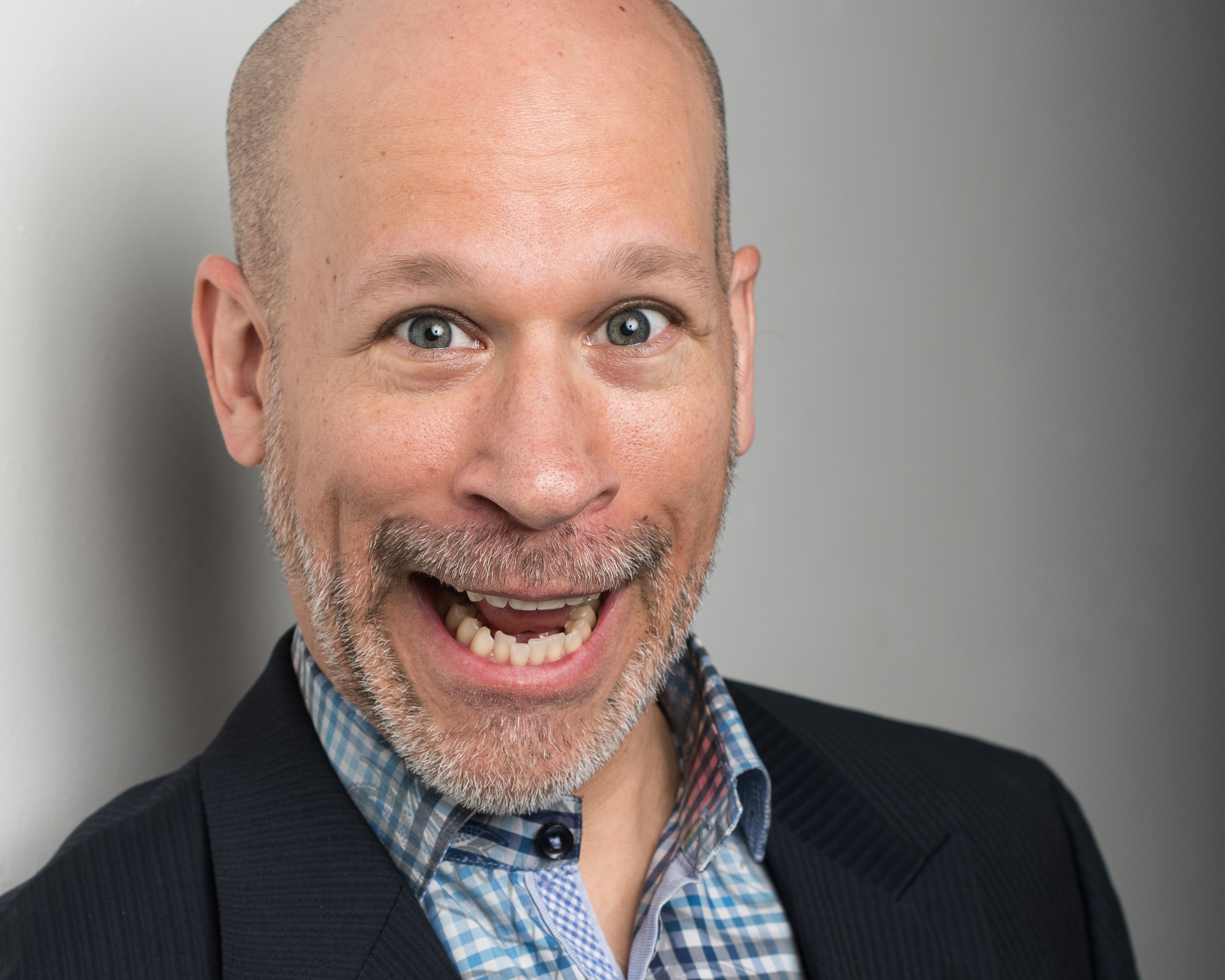
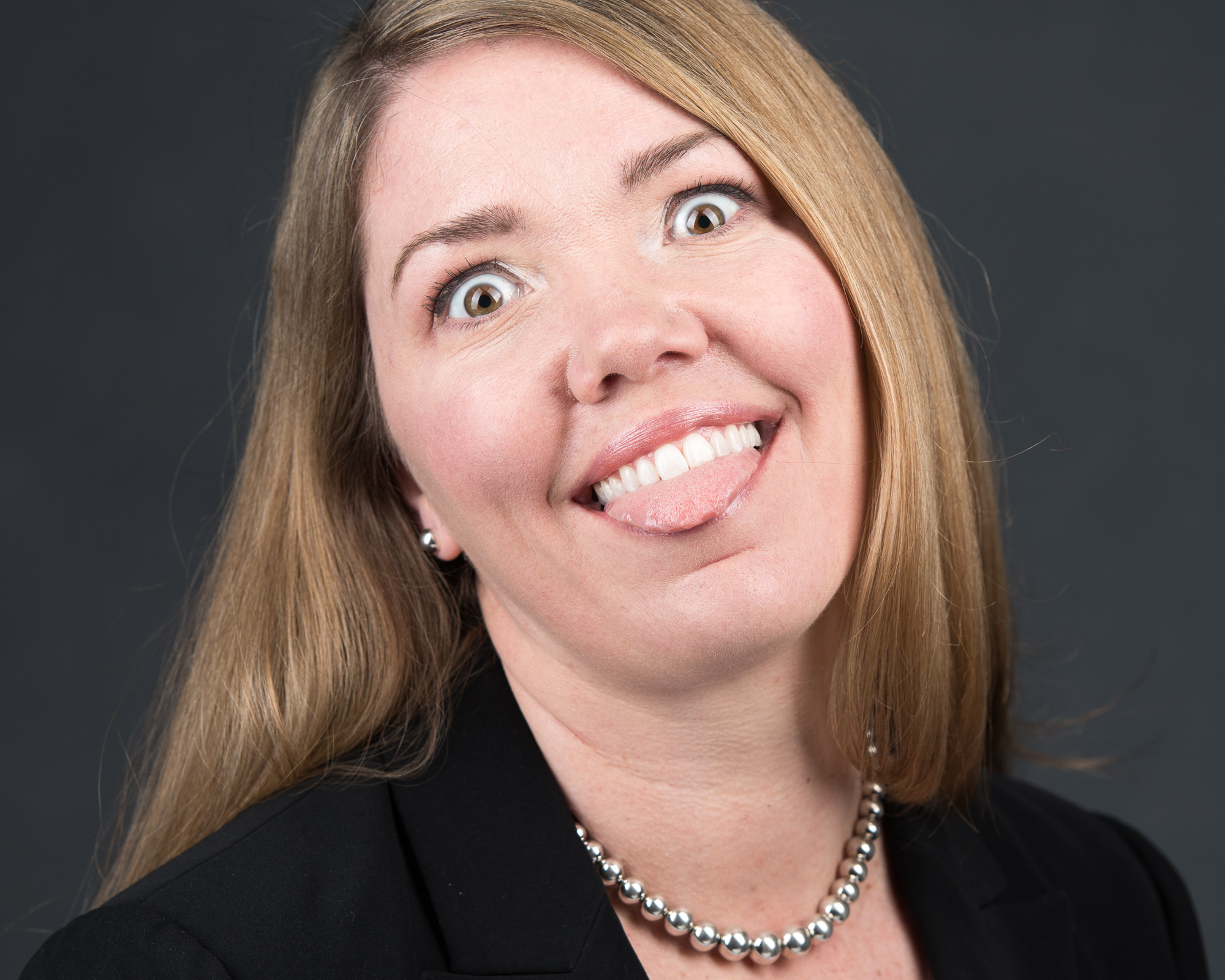
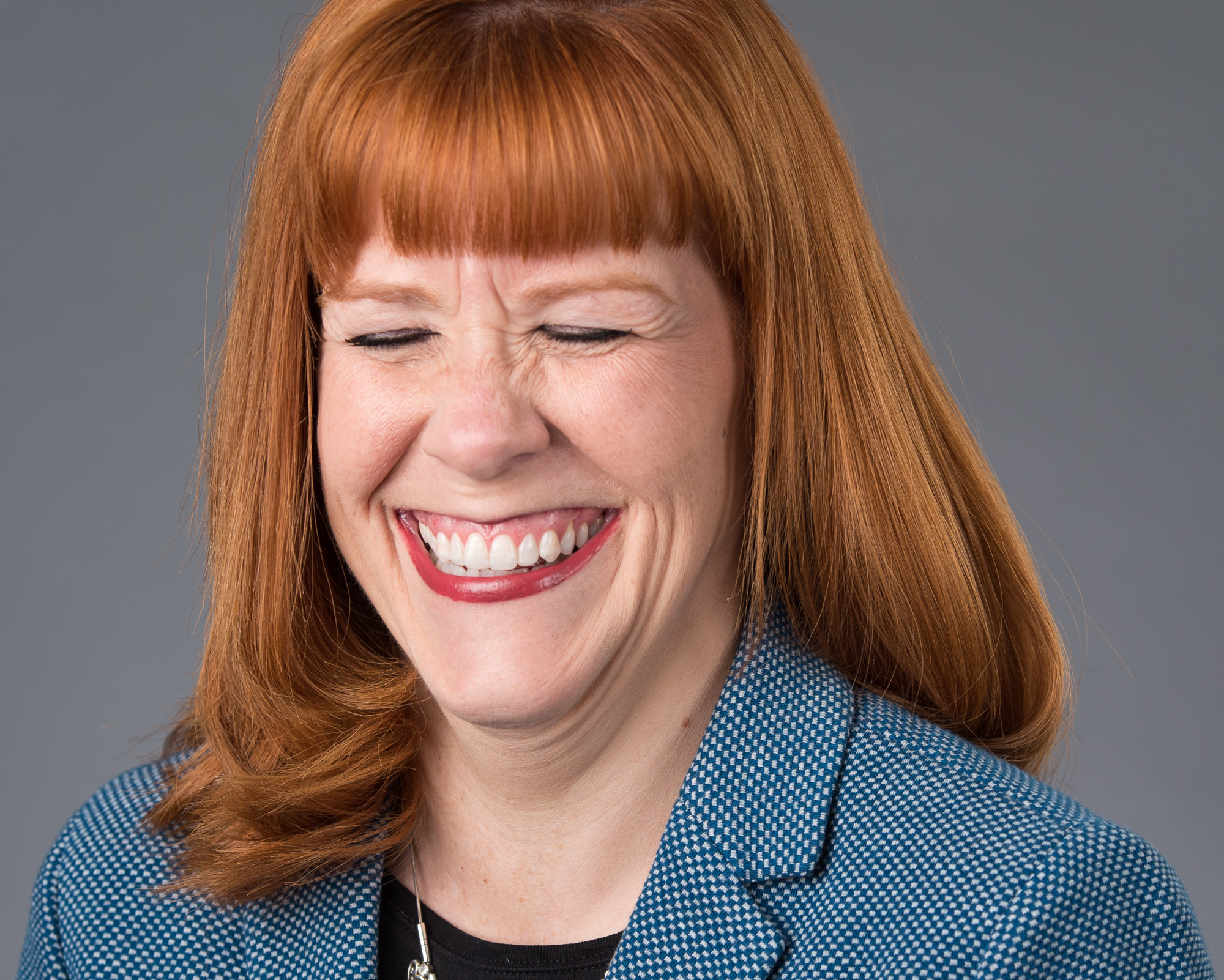
The number one trend I’m seeing is a move away from stiff, overly posed portraits. Clients want to look professional, but also approachable and real.
When I coach people during a session, I’m often helping them find that “confident but relaxed” expression, the kind of look that makes someone say “I could work with that person.”
Professional headshots have changed dramatically over the last few years. Whether you’re an executive, a new graduate, or a creative professional, your headshot is one of the first impressions you make online.
As a full-time, headshot photographer in Metro Detroit for over a decade, I’ve seen style preferences, lighting techniques, and even expectations shift. What people value going into 2026 is different than what they valued even five years ago. And that matters if you want your image to feel current, trustworthy, and professional.
The Rise of the Authentic Look in Professional Headshots
The number one headshot trend I’m seeing is a move away from stiff, overly posed portraits. Clients want to look professional, but also approachable and real.
When I coach people during a session, I’m often helping them find that “confident but relaxed” expression, the kind of look that makes someone say, “I could work with that person.”
If your current headshot still looks like a DMV photo, it’s time for an update. At the risk of being cliche, today’s audiences respond to authenticity. Remember too that authentic doesn’t mean perfect.
Headshot Fashion and Wardrobe Trends
In the post-pandemic era, business fashion has leaned more toward business casual. Ties are less common, even in more conservative industries like finance or law.
However, I expect this ultra-casual wave to stabilize as more companies bring people back into offices. If your headshot still features your pre-2020 suit, it might be worth refreshing your wardrobe before your next session.
Key wardrobe tips:
Choose solid colors and tailored fits (a little snug is always better than baggy).
Avoid busy patterns or flashy accessories.
Keep it simple — clean, modern, and distraction-free.
These choices always photograph best and age well over time.
Natural Headshot Retouching: Keeping It Real
Another big shift: Clients are increasingly aware of over-retouched headshots. Many have experienced “filter shock” when a headshot looks nothing like them in real life.
I believe in light, natural retouching — polishing, not transforming. A little skin smoothing and stray hair cleanup go a long way, but your audience should still see you as you appear today.
Remember that we are always our own harshest critics. Most people viewing your image don’t notice the imperfections that you do in the mirror.
Headshot Cropping and Image Format Trends
Headshots are no longer just for LinkedIn. They’re used in proposals, websites, slides, and even on billboards. A tight shoulders-up crop doesn’t work across all formats.
That’s why modern professional headshots often include waist-up or three-quarter framing to provide more flexibility for marketing uses. I encourage clients to capture multiple crops and expressions during their session. That way, they have options for everything from LinkedIn to press releases.
Why Your Professional Headshot is a Key Marketing Asset
Your headshot isn’t just a photo — it’s a marketing tool. It communicates your personal brand, your confidence, and your professionalism.
View it as a commercial photograph where you are the product. The goal is to build trust and connection with the people who see it.
A great professional headshot works hard for you. And sometimes the best headshot is the one that works best for a specific marketing use case. It may not have your favorite smile or pose, but that’s OK. Remember, it’s not for you.
AI-Generated Headshots: Convenient but Complicated
AI-generated headshots are a growing trend, but they come with caveats. They can look surprisingly good when the AI is trained on a variety of real photos, but there are ethical and legal gray areas.
Should you represent yourself with a generated image? That’s a personal decision, but if authenticity matters to your audience, consider the implications.
For large organizations, AI can create more headaches than it solves. Consistency, clear copyright ownership, and quality control all remain challenges. Until those issues are resolved, traditional photography still offers the most reliable, brand-safe option.
Corporate headshot photographers are used to working with large groups. We are surprisingly efficient. In most cases, it’s likely that we can have your retouched images to you the next day, if not sooner.
Headshot Trends by Career Stage

Young Professionals
Don’t assume new grads and early career professionals want a super casual headshot. My clients in this group often invest in updated wardrobes and may hire makeup artists to look polished. They want to project confidence and maturity as they look to quickly climb to the top.
Expression coaching during your sessions helps dial in a more refined (and mature) look.
Mid-Career Professionals
This group is typically comfortable in their roles but needs their image to reflect their experience. A professional headshot signals readiness for advancement or a fresh opportunity. If your last headshot is more than five years old, it’s time for a refresh.
Your audience values (and will pay more for) your experience (and all the gray hairs that might come with it). Yes, I know getting older sucks, but I don’t recommend trying to mask your age. At least once a week, clients tell me about someone in the office with the twenty year old headshot. People notice.

Senior Professionals & Executives
For late-career professionals or consultants, the goal is often approachability and authority. They’ve earned confidence and it shows. Wardrobe choices might lean more traditional, but many also bring casual options to the session to reflect authenticity and a balanced personality.
Often this group has one foot in their corporate career and an eye toward consulting. With consulting comes a ton of personal marketing that they may not be familiar with. If you’re in this group, lean on your photographer for advice. You will certainly need more than a classic LinkedIn headshot.
Headshot Trends by Industry: Law, Finance, Tech, and Creative Fields
Law Firms
Lawyers remain among the most traditional clients when it comes to attire as suits and ties remain the norm. But style has evolved: expressions are friendlier, and lighting is more natural. The goal is to appear competent and approachable.
Legal marketing teams are also requesting more flexible crops — from waist-up to knee-up — to use across web and print materials.
It’s no longer “just a headshot.” It’s your personal brand with undertones from the firm you work for.
Financial Services
Bankers, advisors, and consultants in financial services typically follow similar style rules to attorneys, but often prefer clean, neutral backgrounds. Composite team portraits are becoming more popular because they allow firms to stay current as staff changes without the need to reshoot the whole team.
Tech and Creative Industries
Here, there are few rules. Company culture and industry niche determine the right look. A Detroit tech startup in the automotive space, for example, may need to balance traditional automotive expectations with modern creative flair.
When in doubt, I often shoot multiple looks: one formal, one business casual, and one relaxed. That flexibility lets clients adapt their image as needed.
The Takeaway: Professional Headshots Are Still About Human Connection
AI may be changing the landscape, but one thing hasn’t changed: People want to see people.
Your audience connects most when your photo feels natural, confident, and current. A great portrait photographer will help you get there with posing, expression coaching, and lighting that flatters rather than hides.
Your headshot is your visual handshake. Make sure it still feels like you. If you’re in the Detroit area and looking for a professional headshot photographer, I’d love to work with you. Learn about my individual headshot options and pricing or corporate headshot sessions for teams.
If you need a full crash course to prepare for your headshot session, check out my Headshot Maximizer Course. Use the code SMILE for $30 off. As a full-time headshot photographer for over a decade, I’ve coached countless clients into their best poses, and I’m here to share my go-to tips for looking polished, confident, and approachable.

The Simple Wooden Camera Upgrade That Fixed My Canon C400 Rig
My Canon C400 and C80 are perfect for interviews and small business features, but I ran into a frustrating problem with the stock C400 top handle: no good place to mount a second monitor if you’re also using the mic mount.
If you’ve spent any time around cinematographers, you know how crazy camera rigs can get — batteries, monitors, focus motors, audio gear, timecode boxes. It doesn’t take long before a simple setup turns into a science project.
On the flip side, some shooters keep it super minimal, staying light and fast so they can focus on story. I’ve been finding my own balance as I build out my corporate cinematography work. My Canon C400 and C80 have been perfect for interviews and small business features, but I ran into a frustrating problem with the stock C400 top handle: no good place to mount a second monitor, if you’re also using the mic mount.
Why two monitors? One is for camera control, but the second is a clean feed without menus cluttering the frame — essential when I’m working with clients on set. As a photographer, this is very much like looking at a print of your image instead of just admiring it on your computer (or worse, just your phone). I’ve found that even looking at a 8x10 print of your image is much more revealing of any ‘flaws’ in the image.
After some searching, I found a simple but elegant solution from Wooden Camera: a top plate designed specifically for the Canon C400. It bolts right onto the stock handle, adds mounting points, keeps the mic mount usable, and still leaves the hot shoe accessible. Best part? My SmallHD Cine 7 monitor drops on perfectly.
I’m impressed with how well-built this plate is. Wooden Camera gear has a reputation for being bulletproof, and this little accessory lives up to it. If you’re a C400 owner struggling with monitor mounting, this is a must-have upgrade!
Check out these links below or use the code: SCOTTLAWRENCE10 to save 10% on anything in their stores.
Every purchase through these links helps support the channel at no extra cost to you. Thanks for your support — and stay tuned,

Mistakes That Ruin Corporate Headshots (and How to Avoid Them)
Thinking about offering corporate headshots to your clients? Or maybe you’ve already started, and you’re realizing it’s not as simple as setting up a light and pressing the shutter.
After more than a decade photographing everyone from local financial advisors to executives at international firms, I can tell you this: corporate headshots are deceptively tricky.
Thinking about offering corporate headshots to your clients? Or maybe you’ve already started, and you’re realizing it’s not as simple as setting up a light and pressing the shutter.
After more than a decade photographing everyone from local financial advisors to executives at international firms, I can tell you this: corporate headshots are deceptively tricky.
The technical side matters, but your soft skills often make or break the session.
In my latest video, I walk through the most common mistakes photographers make when shooting corporate headshots. A few quick examples:
Inconsistent setups – Why a tripod is your best friend when you’re asked to match a headshot six months later, and you’re when you’re in this for the long haul.
Camera angle missteps – A selfie-style high angle might work for Instagram, but it undercuts authority in a professional image.
Expressions that fall flat – Clients don’t want to look stiff or scared. Getting natural, confident expressions is one of the hardest (and most important) parts of the job.
And that’s just scratching the surface. I also cover lighting challenges, background choices, and how to handle the wide range of personalities you’ll meet in a corporate setting.
Want to learn more from me? Book a mentoring call where we can chat about all your headshot questions.
Got more headshot questions? Check out the headshot FAQs.
Need help preparing for your headshot session? Check out my Headshot Maximizer Course.

Google Features My Detroit Headshot Photography Business
Learn how my Detroit-based headshot photography business earned national recognition in Google’s Economic Impact Report, and how tools like Gemini, YouTube, and Google Ads helped fuel growth.

I’m thrilled to finally share some big news—my headshot photography business was selected to be part of Google’s 2024 Economic Impact Report! Each year, Google highlights a small group of businesses across the country that have found success using its tools. This year, only 52 were chosen, and I’m honored to be one of them. In fact, I’m on the top of Michigan’s page!
On Using Digital Tools
When I started my studio over a decade ago, I realized pretty quickly that showing up online was everything. SEO became one of the most important tools in my kit. I blogged regularly (and still do) because I knew that’s how people found local services like mine. Over time, that expanded into YouTube videos—mostly quick, helpful tips to help clients feel more confident heading into their headshot sessions.
It’s been amazing to see how far those little videos have traveled. And as my business has grown to serve larger companies and organizations, that YouTube presence has become a real trust signal. These days, having a solid YouTube channel is almost like having written a book.
I also never thought I’d be managing Google Ads campaigns—but here we are. And honestly, I’m glad I leaned in. Paid search has been one of the most efficient ways to connect with the right clients, at the right time.
And we can’t forget Google Workspace. It includes the basic productivity apps like Docs and Sheets, a professional email address and much more. In the last several months, Google has basically turned on AI throughout the apps, which is great!
I’m increasingly experimenting with ways to integrate AI into my business. Gemini and Notebook LM are super helpful for all sorts of things when it comes to running any business (especially a very small business without a staff).

Working With Google
So when Google reached out, I thought it might be a scam—because really, who gets a call from Google? But it was legit. They interviewed me, organized my story, and even sent a photographer to capture BTS content during a typical client session. This was a real treat. Even as a professional photographer, it’s a chore to crank out good content of myself.

One of the highlights of the process was traveling to Washington, D.C. for Google’s Small Business Summit. I met amazing entrepreneurs from all over the country, including Mollie from North Dakota and Travis from my home state of Ohio. We swapped stories, shared lessons, and found out we had more in common than we expected. We also spent time with several Google Executives who were eager to hear our stories, challenges and successes.
What’s Next
The tools available to small businesses today are more powerful—and more accessible—than ever. It’s moving fast, sometimes scary fast. But I wouldn’t be where I am today without embracing new technology early on, and I’m excited to keep pushing forward. Thanks to Google and all the Googlers I met and worked with along the way. I can’t wait to see what the next decade brings.

The Best Camera Settings for Headshot Photography
If you’ve ever wondered how to dial in the perfect camera settings for headshots, especially in a studio or controlled environment, this one’s for you. These are my go-to settings when I want consistent, flattering results—without fighting ambient light or burning through my flash batteries.
If you’ve ever wondered how to dial in the perfect camera settings for headshots, especially in a studio or controlled environment, this one’s for you. These are my go-to settings when I want consistent, flattering results—without fighting ambient light or burning through my flash batteries.
Note, I’m typically shooting on a Canon R6ii or R5ii, but the settings are pretty universal. So let’s break down the settings I use in most sessions:
Shutter Speed
When working with strobes, shutter speed controls ambient light—not the flash itself. I shoot at or under 1/200 of a second, which is the standard sync speed for most cameras. Going faster (like 1/500) can cause banding unless you’re using high-speed sync, which adds complexity I usually avoid.
Why block ambient light? Simple: it keeps the look consistent. Overhead office lights, for example, often cause unwanted reflections and color casts. Whenever possible, I turn them off entirely.
Aperture
Aperture controls both your depth of field and how much flash light reaches the sensor. I typically shoot at f/5.6—sharp enough to keep the full face in focus, but open enough to avoid maxing out flash power. If you're working with lower-powered lights or want a dreamier look, f/4 or even f/2.8 can work—but just know you'll get less in focus.
ISO
My ISO stays low to avoid noise and reduce ambient light impact. ISO 200 is my default, but I’ll slide between 100 and 400 depending on flash power and conditions. Need more exposure? Boost ISO—but know that you’re also letting in more of those less than flattering ceiling lights.
Flash Power
Most of my work is done with 250 or 500 watt-second Profoto strobes. For standard headshots, I’m usually sitting at 50–75% power. If you’re maxed out and still not getting enough light, don’t panic—just move the light closer. That simple trick gives you a lot more punch.
These settings give me speed, consistency, and great results without overcomplicating the shoot. And that’s what it’s all about.
Got more headshot questions? Check out the headshot FAQs.
Need help preparing for your headshot session? Check out my Headshot Maximizer Course.
The Blog
Headshot tips, client features, and more!